Isabella Mueller (crime writer)
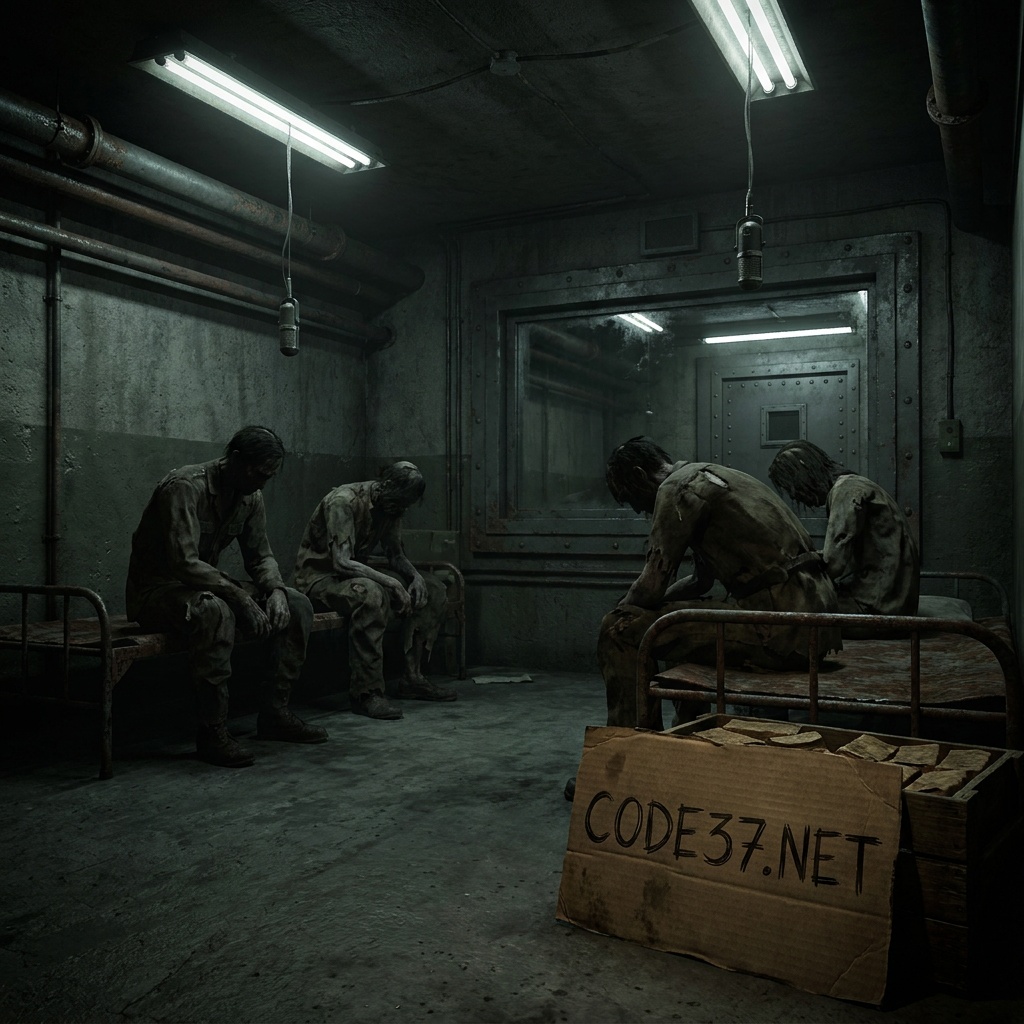
A legend-shrouded tale from the dark depths of scientific research tells of the Russian sleep experiment. In the late 1940s, Russian scientists conducted an experiment that was said to surpass even the boldest imaginings of horror. Five prisoners—political dissidents from World War II—were confined for 15 days in a hermetically sealed chamber. Inside this chamber, there was dried food sufficient to sustain them for one month, cots, running water, and a toilet. The experiment was monitored via microphones and through hatches. The test subjects’ only “source of life” was an experimental gas intended to keep them awake—a dangerous gamble whose effects no one could fully predict. The human guinea pigs were encouraged to participate in this horrific experiment under the pretense that they would be released into freedom afterward. At first, everything proceeded relatively calmly. But soon the conversations—which had initially revolved around everyday matters and past experiences—began to spiral into a vortex of paranoia and despair. After a few days, the initial hope gave way to creeping despair. The prisoners stopped speaking to one another and whispered only into the microphone, convinced that they could impress their tormentors by betraying them. It became clear that the gas not only heightened their alertness but also shattered their mental health. The first act of madness occurred after nine agonizing days. One of the test subjects burst into a deafening scream, followed by another. What the scientists observed with horror was the disturbing behavior of the survivors. They began tearing books into small pieces and smearing them with their own excrement, while terror spread throughout the room. As the air in the chamber became almost unbearable and no sound could be heard from the prisoners, the scientists’ concern grew. To elicit a reaction, they announced that they would open the chamber. To their surprise, words came from the mouth of one of the prisoners that astonished even the scientists: “We no longer want to be freed.” On the 15th day, the chamber was opened—it had previously been cleared of gas and vented to fresh air. What the soldiers and researchers found inside was indescribable. Four of the five prisoners were alive, but their condition was beyond grotesque. They had abused their physical integrity to such an extent that it could hardly be called survival. They no longer looked like humans, but like zombies who had torn pieces of their muscles and skin from their bodies. The sight sent a cold shiver down one’s spine, for although all their blood vessels and organs were intact, they had removed them and laid them on the floor. They had fed on themselves by tearing off their own body parts and using them as a source of food. They had stuffed the flesh of the dead test subject into a drain in the room, so that the water stood 4 inches high in the room. The living begged for the gas to be turned back on, so as not to risk the agonizing sleep that would surely drag them into the abyss of oblivion. The scene that unfolded before the horrified scientists was a work of pure horror. The soldiers who had come to the rescue recoiled. The survivors, trapped in a state of madness, were willing to do anything to maintain their condition. In their delirium, they attacked the soldiers, who were even killed by the zombie-like creatures. Even large doses of morphine failed to sedate the test subjects. Finally, the scientists attempted to save the test subjects through surgery, to which they agreed in the hope of receiving the gas to which they were heavily addicted. But none of the surviving test subjects could be saved. The words of the last survivor of the operation—who was immune to any form of anesthesia—were a poignant cry for freedom: “So… almost… free…”. These shocking events not only remained etched in the memories of those involved but became part of an urban legend—a memorial to the limits of human endurance and the dark side of scientific curiosity. The Russian Sleep Experiment will forever stand as an example of injustice in research and as a reminder that some boundaries should never be crossed. Whether it ever actually took place is doubtful. The story is considered a so-called “creepypasta”—a fictional horror story that went viral and continues to fascinate people worldwide to this day.