Isabella Mueller (crime writer)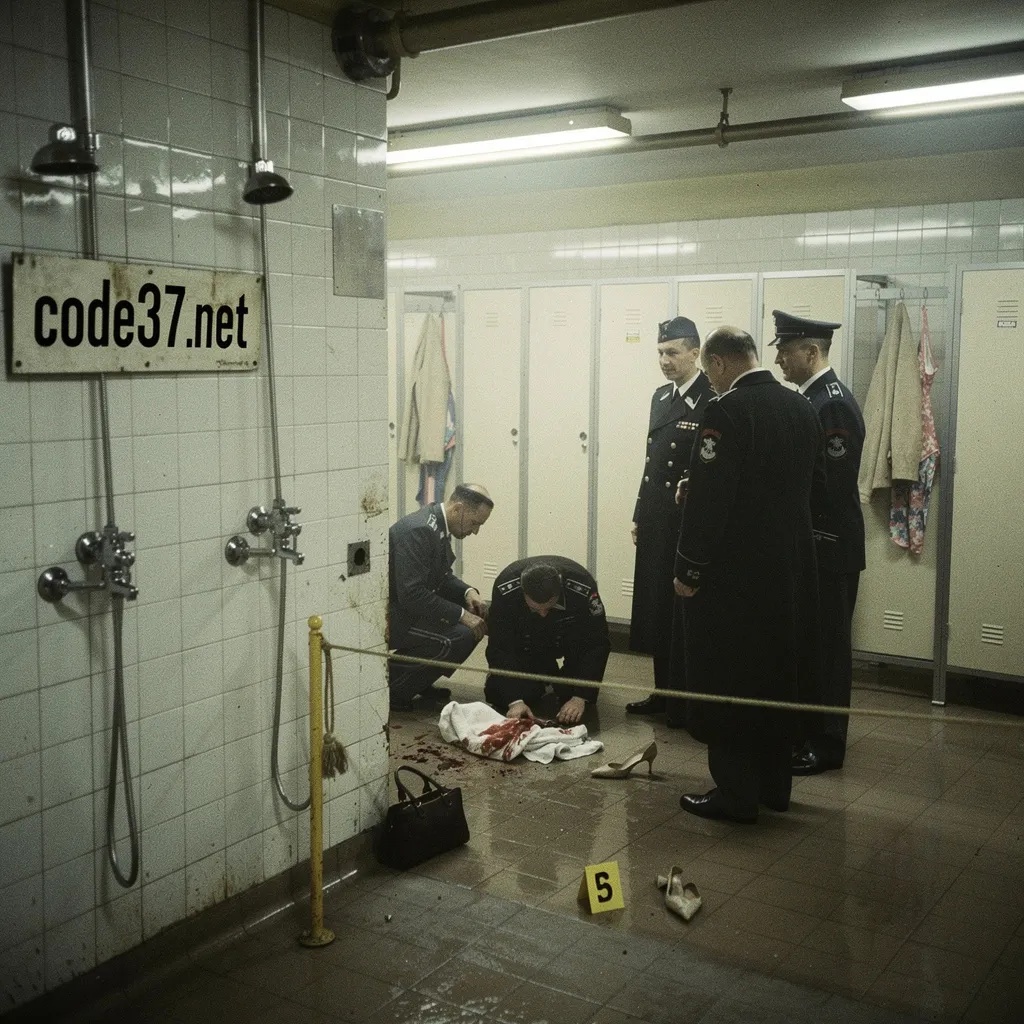
Austria’s longest-serving prisoner, who spent no less than 51 of his 74 years in prison, was Josef Weinwurm. He went down in Vienna’s criminal history as the opera murderer. On 12 March 1963, he murdered 11-year-old ballet student Dagmar Fuhrich with a 12-centimetre knife, stabbing her a total of 37 times. A hairdresser from the opera found the half-undressed girl’s body in the ladies’ shower room shortly after the performance of Richard Wagner’s ‘Walküre’ had begun at 5 p.m. There was no trace of the perpetrator, so the police had to check 14,000 alibis. Although the perpetrator was seen by three eyewitnesses, the descriptions of the person were very vague and differed greatly. While the investigation was in full swing, there were further knife attacks on women. By chance, on 6 August 1963, a 23-year-old security guard arrested a man who had attacked a woman with a fork in order to steal her handbag. He fled into a residential building, where he was caught. This man turned out to be the opera murderer they were looking for. He was 33-year-old Josef Weinwurm, a homosexual misogynist who had already threatened a girl with a pistol in a toilet at the age of 17. Although he appeared before the juvenile court and was found guilty, he was not punished or entered in the criminal register. Another attack on a woman took place two years later with a pair of scissors. Josef Weinwurm was declared mentally incompetent by a psychiatrist and admitted to a mental hospital. Again, there was no entry in the criminal register. In 1953, Weinwurm was charged and convicted of 82 thefts he had committed in Vienna’s city centre. However, he was released briefly in 1955 before being imprisoned in Göllersdorf Prison until 5 March 1963 for further property offences. After his release from prison, he was out and about in Vienna’s city centre, where he happened to go to the opera on 8 March 1963 and entered the ladies’ shower room, where he watched some cleaning ladies showering. Then he left. He repeated this on 12 March 1963, one week after his release from prison. There, on the stairs of the State Opera House, he met ballet student Dagmar Fuhrich, who was on her way to ballet rehearsal. He murdered the girl between 4:30 and 5 p.m. by first strangling her, then punching her in the face and finally stabbing her 37 times. He then boarded the ‘Wiener Walzer’ train to Salzburg. His chance arrest on 6 August 1963 led to the solving of the brutal murder of Dagmar Fuhrich, whose funeral was attended by over 5,000 people. On 10 April 1964, after five days of trial, Josef Weinwurm was sentenced to life imprisonment with aggravated punishment in Stein. This imprisonment meant ‘hard labour’, ‘one day of fasting’ per month and ‘dark confinement’ on the day of the crime. This form of imprisonment was abolished by the Criminal Code in 1975 and replaced by the general prison sentence. The harsh sentence was also due to Josef Weinwurm’s confession: ‘When I get out of prison, I’ll do it again.’ But Josef Weinwurm was never released. Two years after his conviction, he attempted suicide but was saved. After that, he came to terms with his life in prison. Josef Weinwurm had little contact with his fellow prisoners and no visitors. Only his birds became his companions, earning him the nickname Birdman of Stein. Josef Weinwurm died on 22 August 2004 in the infirmary of Stein Prison after 41 years of imprisonment. His funeral took place in a pauper’s grave at Krems Cemetery. Apart from the funeral staff, only one retired prison officer was present. Thus ended the tragic life of Vienna’s opera murderer, Josef Weinwurm, in solitude.