Isabella Mueller (crime writer)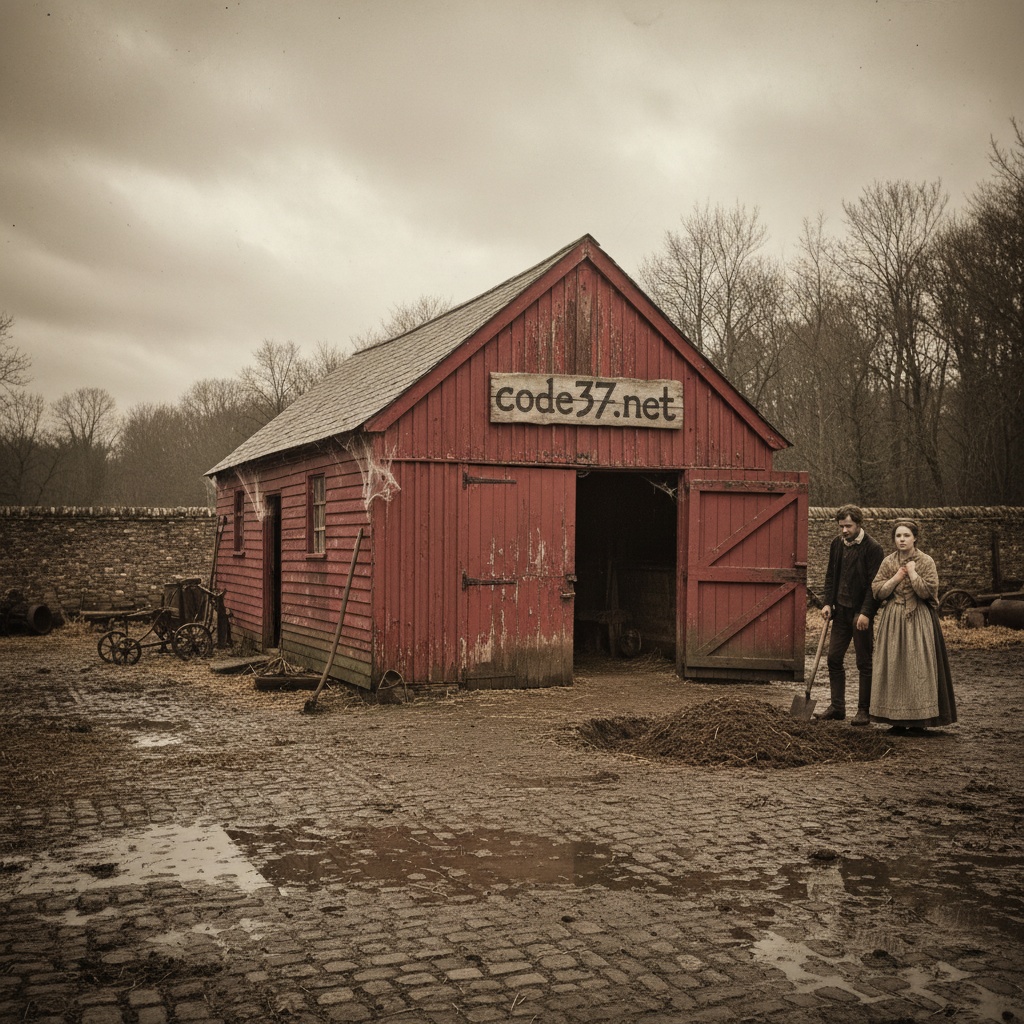
The story of William Corder, better known as the “Red Barn Murder,” continues to fascinate people even after almost 200 years. This bloody episode from England not only led to one of the most sensational trials of the century, but also to a curious anecdote about a book bound in the skin of the murderer. Let’s delve deeper into the story and find out what William Corder, his victim Maria Marten, and the grim mementos that have survived to this day are all about. William Corder was the son of a wealthy farming family in Polstead, a small village between Ipswich and Sudbury, at the beginning of the 19th century. When 22-year-old William and 24-year-old Maria Marten became lovers, he already had a reputation as a womanizer. Maria lived with her father, a mole catcher, her stepmother, sister, and her young son Thomas Henry from a previous relationship, and may have seen William as a way out of her modest living situation. In 1827, William planned to elope with Maria, who had recently given birth to his child, but the baby died after two weeks. William told Maria to meet him at the Red Barn on the Corders’ farm, from where they planned to drive to Ipswich to get the wedding announcements. But Maria was never seen again, and William also disappeared. In reality, William had gone into hiding after the meeting at the Red Barn, while Maria was shot and buried in the same barn. Almost a year later, Ann Marten, Maria’s stepmother, allegedly had a dream in which she saw that Maria was dead and lying in the Red Barn. Maria’s father then dug with his “mole hoe” and found his daughter’s remains. After Maria’s body was discovered, a nationwide hunt for William Corder began. A newspaper editor pointed out that he knew William. In an effort to escape loneliness, William placed an ad in the Sunday Times newspaper seeking a new wife. William received over 45 replies and eventually chose a woman named Mary Moore, whom he married and with whom he ran a ladies’ boarding house. This ultimately led to him being tracked down. He initially denied any knowledge of Maria’s whereabouts, but had a letter from Polstead with him stating that her body had been found. William Corder was taken to Bury St Edmunds, where he was charged with the murder of Maria Marten. In court, he claimed that Maria had committed suicide, accusing the dead woman of a capital crime. After a two-day trial, he was found guilty by the jury after only 35 minutes and sentenced to death by hanging. He then confessed to accidentally shooting Maria during an argument. On August 11, 1828, an estimated 7,000 to 10,000 people gathered to watch William’s execution. The crowd was so large that a temporary execution site was set up. Afterwards, people were allowed to march past his body, which was on display in Shire Hall. The murder and subsequent events made Polstead a popular tourist destination. The Red Stable and even Maria’s gravestone became tourist hotspots. Interest in this crime led to books, plays, and musicals, and continues to shape true crime culture to this day. A particularly macabre reminder of this story is a book bound in William Corder’s skin. It has been kept at Moyse’s Hall Museum in Bury St Edmunds since 1933. The book was donated by a family who had close ties to the surgeon George Creed, who dissected Corder’s body and bound the book in 1838. The books contain reports of the trial and bear handwritten notes by Creed. The story of William Corder and the Red Barn murder remains a dark chapter in British history. It reflects the sensationalism and macabre interest of society that continues to this day. With the surviving memorabilia, including the leather-bound book, this story remains alive and continues to fascinate historians and true crime enthusiasts alike. While future exhibitions will hopefully also shine a light on the lives and fates of female victims such as Maria Marten, the Red Barn murder remains a haunting example of human tragedy and collective memory.