Isabella Mueller (crime writer)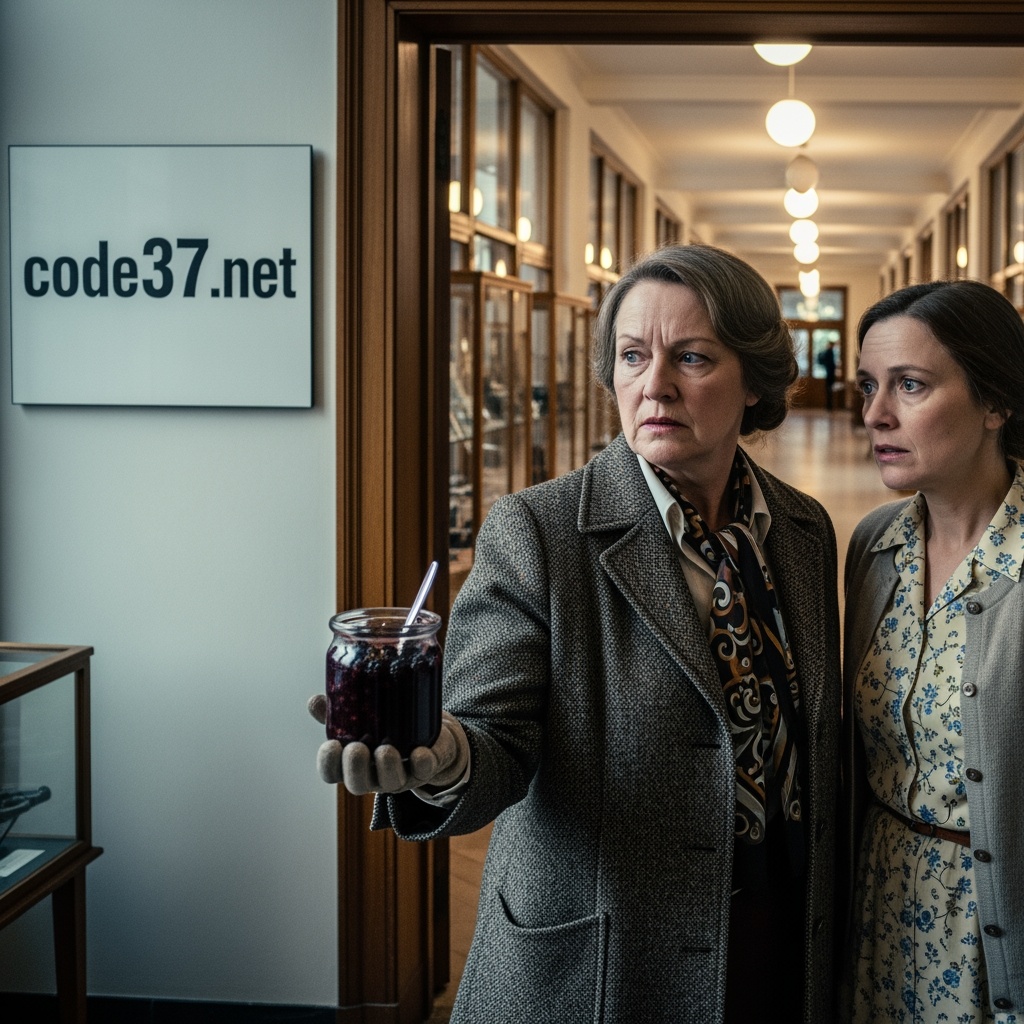
It was a cool autumn morning in 1977 when two concerned ladies entered the Tübingen Institute unannounced. Holding a jar of blackberry compote in their hands, they asked for it to be tested for poison. What initially appeared to be a trivial request soon turned out to be one of the most perfidious cases of poisoning in Germany, in which the perpetrator had acted with a cold-bloodedness and cruelty that shocked even seasoned forensic scientists. The story began with the tragic suffering of a seriously ill woman named Ingeborg R., who was suffering from acute liver failure and ascites at the Ulm Clinic. The patient, whose health had already been stabilized repeatedly through inpatient treatment, kept falling ill with the same symptoms as soon as she returned home. The patient’s husband, a respected chemistry teacher named Siegfried R. at Schubart Gymnasium in Ulm, seemed particularly interested in ensuring that his wife consumed the blackberry compote he brought to her bedside as quickly as possible. This conspicuous urgency raised initial suspicions. During a confidential conversation, one of the two women, the patient’s sister-in-law, described the suspicious circumstances. Her suspicions had been aroused when the husband repeatedly insisted that his wife should eat the compote, often accompanied by urgent phone calls. A small taste had immediately caused the patient to feel nauseous, similar to her first illness. Fearing further discomfort, she contacted her sister-in-law and decided to have the compote examined. The examination of the blackberry compote presented the institute with a challenge. After initially feeding it to white mice, all of which died within 12 hours, it was clear that it must contain a highly toxic poison. But what kind of poison was it? After extensive testing, it was determined that the poison was nitrosodimethylamine, a highly toxic compound that damages the liver and is carcinogenic. Quantitative analysis of the blackberry compote revealed that it contained approximately 500 mg of this dangerous substance. The results were immediately forwarded to the criminal investigation department, which arrested the chemistry teacher while he was still working at the school. The accused admitted to having added the poison, but denied any intent to kill. His defense claimed that his wife’s life-threatening illness must have had other causes, as the compote had not been consumed. Nevertheless, criminal investigations proved that the teacher had begun ordering nitrosodimethylamine as early as 1975, coinciding with the publication of an article on chemical carcinogens in the journal “Chemie unserer Zeit” (Chemistry of Our Time), which he had read. It came to light that Siegfried R. had purchased three 25 ml bottles of nitrosodimethylamine from Merck using school funds. He wanted to slowly kill his wife by adding small doses of the highly toxic substance to her food and drink over a period of years. But why did Siegfried R. want to kill his wife in such a painful way? Siegfried R. enjoyed an impeccable reputation as a senior teacher and, as a father of two, led a picture-perfect marriage with Ingeborg for the outside world. But this was all just a facade, because Ingeborg had cheated on Siegfried with their family doctor. When the doctor died in an accident in 1969, the couple gave their marriage another chance. But Siegfried was deeply hurt and had only revenge on his mind. The situation came to a head when he began an affair with a colleague 23 years his junior. Since divorce was out of the question for financial reasons, he made the fatal mistake of poisoning her with blackberry compote because Ingeborg was not dying fast enough. Had he not made this mistake, it would have been the perfect murder. The court recognized that Ingeborg’s illnesses had been caused by repeated doses of poison. The first dose of poison was presumably administered at the end of 1975 and led to severe liver disease. These acts were considered attempted murder, as Siegfried knew full well that the poison is quickly metabolized and therefore difficult to detect. The verdict was attempted murder, which earned the chemistry teacher a life sentence. This verdict is still considered a precedent today, as no one had ever been sentenced to life imprisonment for attempted murder before. Shortly after the trial ended, Ingeborg died as a result of liver failure. Siegfried R., better known as the “Blackberry Killer,” as he was called in the media, died in October 1984 after six years in prison from stomach cancer in the Hohen Asperg prison hospital. Until his death, he had founded a pilot project in the prison system in which he taught fellow prisoners and helped them obtain a school diploma. Despite these tragic endings, the case reminded the public of the extent of human malice and the invaluable contribution that forensics can make to justice.