Isabella Mueller (crime writer)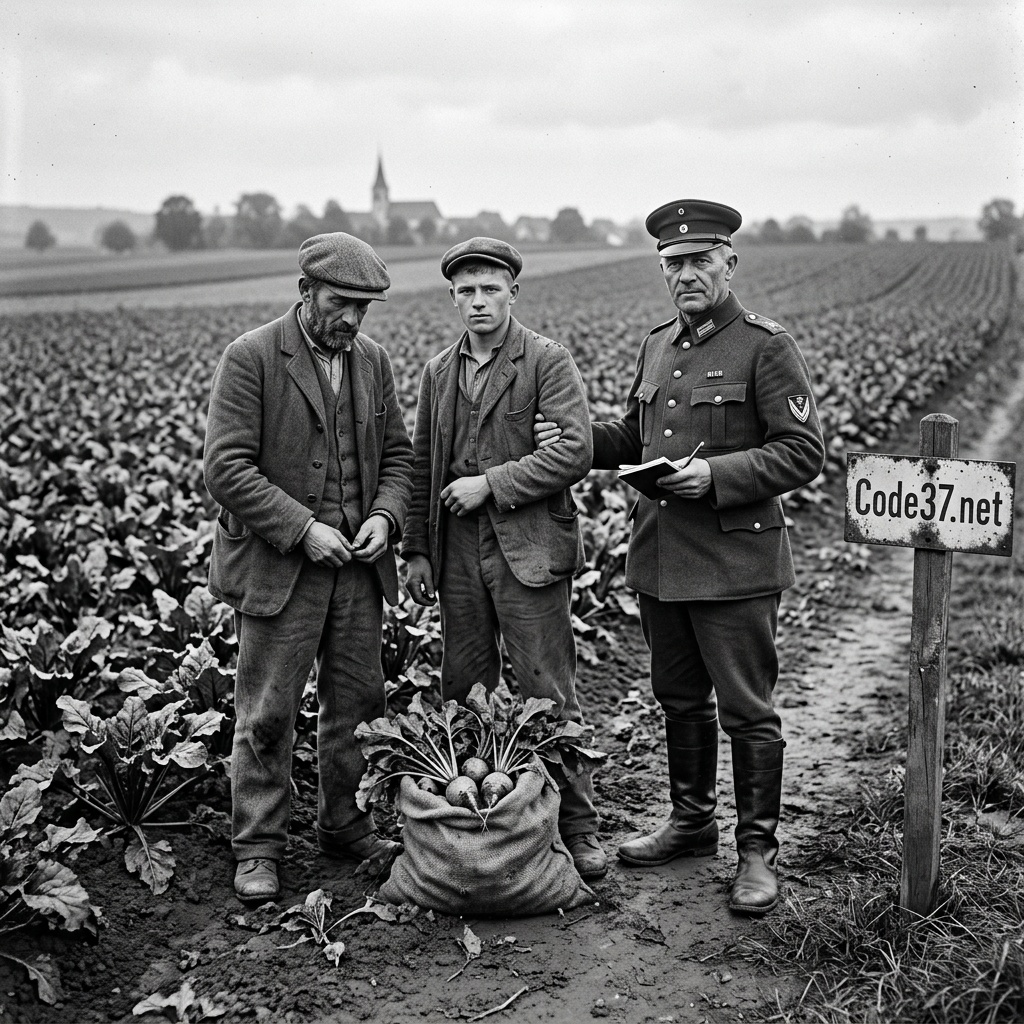
Poaching was punished as a serious crime until the mid-19th century, as hunting was reserved exclusively for the feudal lords or authorized individuals. The forest rangers, who served as law enforcement and were effectively the long arm of the authorities, were hated by the poor population. This was because they prevented them from taking what they needed to survive from the forest. As a result, the forest rangers lived in constant fear of being shot by poachers. One man who actually met this fate was the municipal gamekeeper Philipp Becker. In 1912, in the Vogelsang district of Speyer, he caught a 48-year-old man and his 28-year-old son stealing beetroot plants. He was now able to arrest both men and bring them to court, since he had caught them in the act. But it never came to that, as the son immediately fired several shots at the gamekeeper. As the gamekeeper lay on the ground begging for mercy, the son shot him in the chest in cold blood. After the dead gamekeeper was discovered, tracking dogs searched for the perpetrator. They quickly tracked down the father-son duo, who were already known to the police. The criminal court in Frankenthal had sentenced both to two years and six months in prison for commercial hunting. At the time, both had confessed to shooting pheasants, hares, and deer between Speyer, Berghausen, and Mechtersheim. For the murder of gamekeeper Philipp Becker, the Zweibrücken jury court sentenced them to death. However, the Bavarian Prince Regent Luitpold exercised clemency and commuted the sentence to life imprisonment. This put an end to the activities of at least two poachers for good.