Isabella Mueller (crime writer)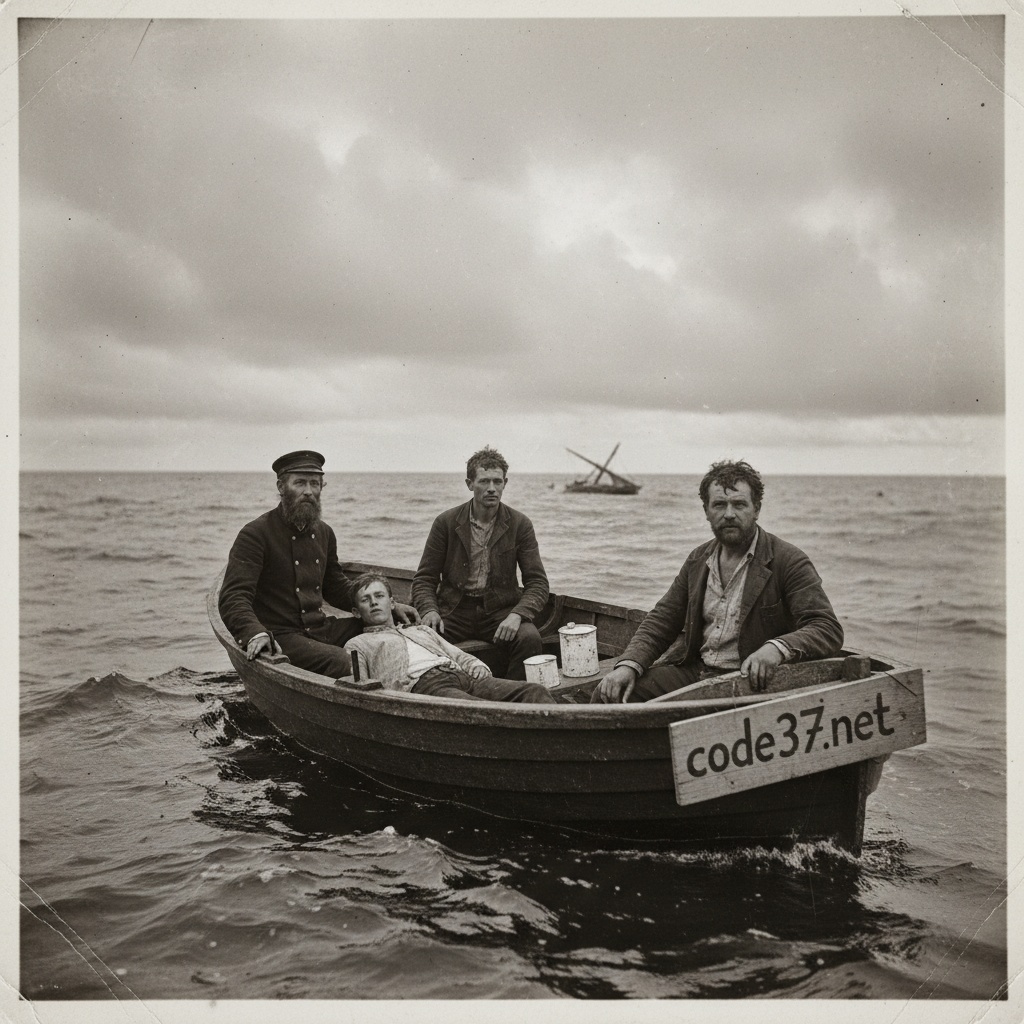
A British criminal case that set a precedent with global implications for jurisprudence was the criminal proceedings in Regina v. Dudley and Stephens. The year was 1884 when, on May 19, the small sailing ship “Mignonette” set sail from Southampton bound for Sydney. On board were Captain Thomas Dudley, helmsman Edwin Stephens, sailor Edmund Brooks, and 17-year-old ship’s boy Richard Parker. The voyage initially proceeded without incident. However, due to a zone of bad weather, the yacht encountered a severe storm about 1,400 miles from the Cape of Good Hope, which caused the small sailing ship to sink within a few minutes. The crew managed to escape to their four-meter-long dinghy just in time. However, in their haste, they had only been able to pack two cans of white turnips. With these meager provisions, they were now adrift on the open sea, hundreds of kilometers from the African coast and far away from the usual shipping routes. The prospect of rescue seemed extremely slim. Hunger and thirst, the scorching sun during the day, the cold nights, and the sharks circling them plagued them. On the fourth day, they were lucky enough to catch a sea turtle, which they could eat. With no fresh water available, the four-man crew began drinking their own urine in desperation on the eighth day. The three experienced sailors did not drink salt water, as this only dehydrates the body. They knew that the kidneys cannot excrete the salt from seawater. This is because the kidneys need more water than a person would consume from seawater. However, the inexperienced ship’s boy drank the salt water and fell seriously ill on July 20 as a result. This sealed his death sentence. An old seafaring custom, the custom of the sea, allowed a crew member to be sacrificed in emergencies, subject to various rules, in order to save the others. This was decided by drawing lots; whoever drew the shortest straw was killed so that the others could feed on his flesh. This cannibalism out of starvation was permitted in extreme emergencies on the high seas during the Victorian era. Since the ship’s boy was sick and, in Dudley and Stephens’ opinion, would die anyway, they slit his throat with a pocket knife on the 20th day and cut out his intestines. They collected his blood in a chronometer case. Although sailor Brooks did not participate in killing the boy, he also drank and ate from the boy’s body. On July 29, four days after killing the boy, the three shipwrecked men were rescued by the German sailing ship Moctezuma, from which they disembarked in Falmouth on September 6, 1884. Dudley and Stephens were unaware of any guilt. They therefore described the incident in detail to the authorities. The English judiciary wanted to put an end to the custom of the sea and charged Dudley and Stephens with murder. The sailor Brooks became a key witness and was therefore excluded from the charges. On December 9, 1884, the High Court of Justice, the highest English criminal court based in London, sentenced the two defendants to death for the murder of the ship’s boy Parker. The reasoning was that no innocent life justifies murder to save one’s own life, even in extreme famine. Due to protests from the public, who saw the rescued men as heroes who had found themselves in a hopeless situation, the Queen pardoned the convicted men and reduced their sentences to six months. Only the Queen, in whose name “Regina” the trial was conducted, has the right to grant clemency. In the end, mercy prevailed over justice.