Isabella Mueller (crime writer)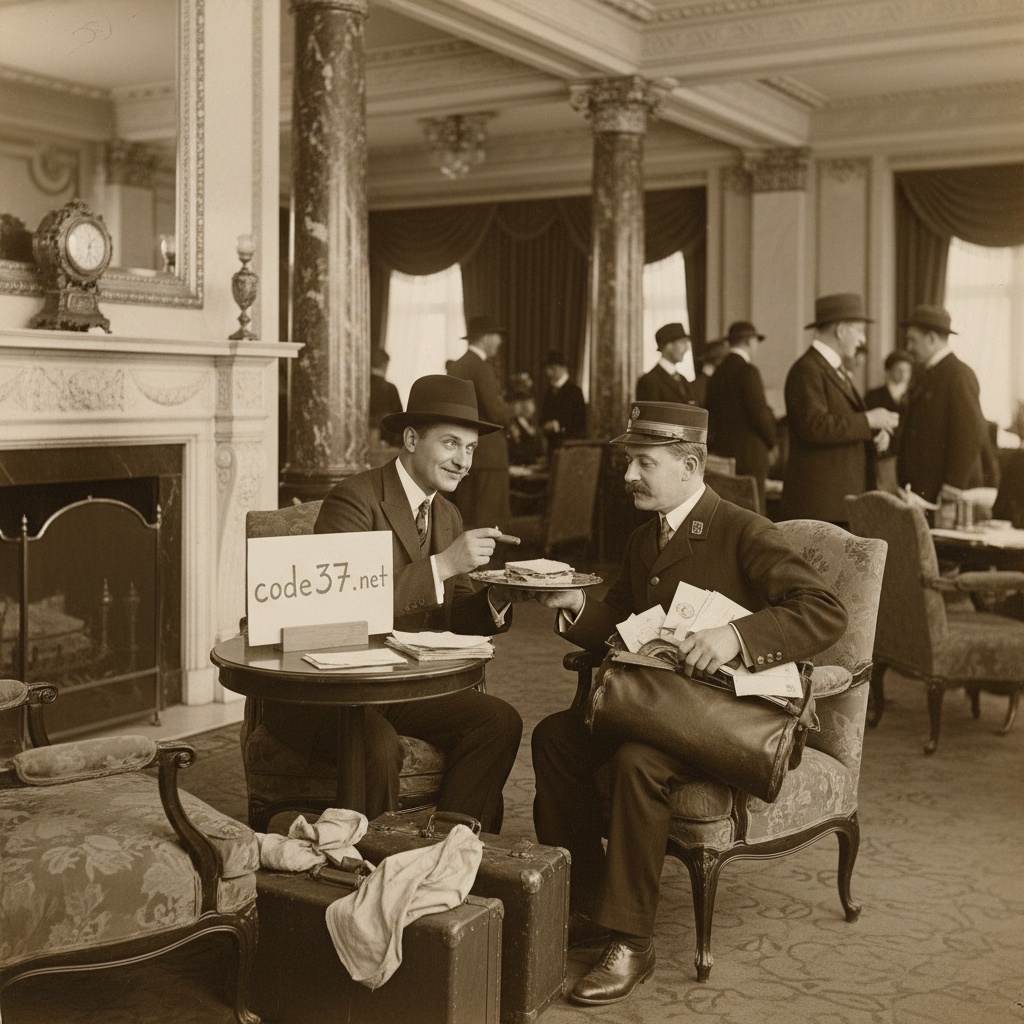
A series of robberies and murders so spectacular that they even made their way onto the stage took place during the Weimar period. The main character was Wilhelm Blume, whose dream was to become a great playwright. To make this dream come true, he became a murderous robber. Wilhelm Blume was born in Amsterdam in 1876, the son of a tobacco merchant. His family later moved to Berlin, where the clever Blume graduated from high school. He began studying at university but did not complete his degree. Although his father had left him a considerable fortune after his death, it was quickly used up. To finance his livelihood, he took on various jobs. But his whole passion was writing plays. One day in late summer, as he was wandering through Berlin and once again in financial straits, he observed a money courier whose delivery bags were full of cash. At that moment, he had the idea of robbing the money couriers and stealing their money shipments. That would solve all his problems immediately. Wilhelm Blume immediately set to work and chose a money courier in Berlin-Mitte, whom he followed for days. The courier took the same route every day, which also passed Spandauer Straße. Blume rented a room there from an elderly lady named Rühle who lived alone. He pretended to be the butter wholesaler Adolf Stubenrauch and had small money shipments sent there. This brought him into contact with the money courier Albert Weber, who ordered a large quantity of butter from him. Blume wanted to hand this over to him in his room on the morning of September 7, 1918. To prevent his landlady from interfering, he sent her to a pharmacy to buy medicine for him. When Albert Weber stopped by Blume’s place on his route to pick up his butter, Blume held a gun to his nose and blackmailed him into handing over his money bag. Just at that moment, Blume’s landlady appeared completely unexpectedly. In a panic, he shot both of them. He took the money bag, which contained only 1,900 marks. A pitiful haul for a double murder. The two bodies were not discovered until September 11. Since no one knew the tenant Stubenrauch, the criminal investigation department was naturally unable to locate him. By the beginning of December 1918, the money from the robbery had already been spent, so Blume planned to rob a money courier again. But this time, he needed to get his hands on significantly more money, which is why Blume chose a more upscale district. He pretended to be Baron Hans von Winterfeldt and first checked into the Hotel Bristol. However, when a bellboy noticed that his suitcases only contained sandbags, he quickly moved to the legendary luxury hotel Adlon. In order to get into conversation with the money courier Oskar Lange, who was responsible for this district, he sent himself money transfers and lured him into his suite with cigars and ham sandwiches. Normally, Lange handed over the money transfers in the hotel lobby. On January 2, 1919, he overpowered him in his suite. He tied him up, stuffed a water-soaked towel into his mouth, and then strangled him. He then took the money bag, which contained 297,000 marks, jewelry, and 41 registered letters with dozens of thousand-mark notes. A search for Oskar Lange began on the same day. But no one knew where he was. It was only when the hotel hairdresser reported on January 3 that he had seen him on the first floor in the apartment of Baron von Winterfeldt that the police found him there, murdered. There was no trace of the baron. Blume was already long gone. From then on, he pretended to be Harry Eiler and traveled to London. There he wrote plays under the pseudonym G. Whitecliff until he returned to Germany in February 1922. He settled in the Elbe metropolis of Dresden, where he worked as a playwright. In the spring of 1921, his self-penned comedy Simili premiered. This was followed by further comedies until he was caught during his third robbery. After Blume made a full confession, he slit his wrists. With that, he had put an end to the drama of his own life. Inspired by this life drama, Nobel Prize winner Gerhart Hauptmann wrote the play Herbert Engelmann, which premiered in Vienna in 1952, adapted by Carl Zuckmayer and starring O.W. Fischer and Curd Jürgens.