Isabella Mueller (crime writer)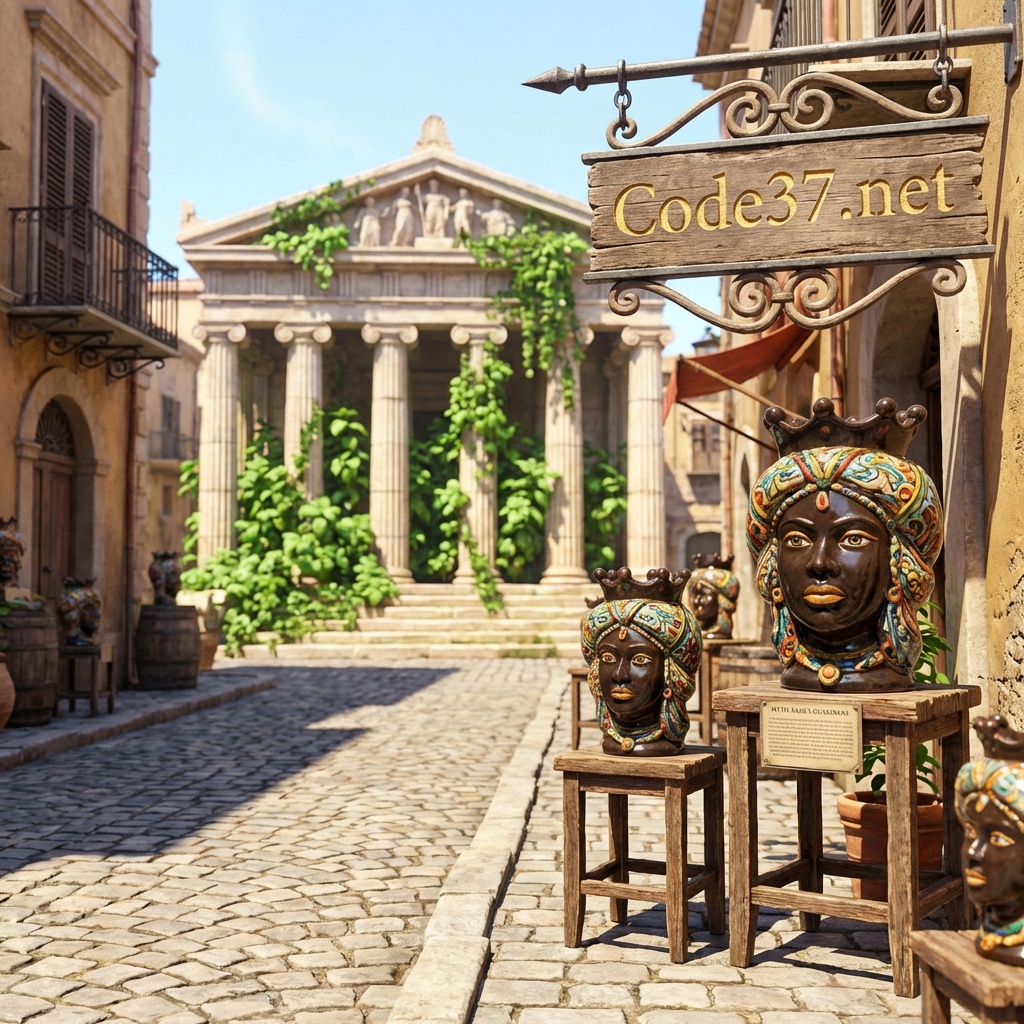
Palermo is an exciting metropolis in the Mediterranean, idyllically located on the north coast of Sicily. The capital of Sicily was founded in the 8th century as a trading post by the Phoenicians. It was then conquered by the Romans. Under Muslim rule, it gained fame and power. The Arabs were followed by the Normans, Staufers, Aragonese, Austrians, and Bourbons. The colorful mix of different architectural styles in Palermo’s buildings still bears witness to these different rulers today. For a long time, this southern metropolis was considered one of the most dangerous cities in Europe, due to the Casa Nostra, the Sicilian mafia, which was founded in Palermo. Today, Palermo fascinates people from all over the world with its white sandy beaches and picturesque old town with its winding alleys, magnificent palaces, and splendid sacred buildings. A particularly beautiful district of the old town with many historical sights is the Kalsa, which was built by the Arab rulers outside the city walls of Palermo and derives its name from the Arabic Al Khalisa, meaning “the pure.” In the 1990s, however, Kasla, the poor district of Palermo, was nicknamed Beirut until it awoke from its slumber and today shines again in its former glory. Kasla was once the posh district of the Sicilian nobility, around which the ancient legend of the “Testa di Moro,” the dark brown head, revolves. The rich and beautiful lived in this district in magnificent houses with large balconies adorned with flower pots and plants. In one of these houses lived a true Sicilian beauty who devoted herself to caring for her flowers. One day, as the young woman was gardening on her balcony, a handsome, dark-skinned man passed by. As luck would have it, their eyes met and love struck like lightning. They began a passionate relationship. But after a short time, the young woman learned that her lover had a wife and two children in his homeland and would leave her. She plotted revenge and waited until her lover had fallen asleep. Then she took a sword and cut off his head. She used it as a vase in which she planted basil, which grew so magnificently that the neighbors became jealous and also wanted to have such a special vase in the shape of a head. For they firmly believed that it was only thanks to this extraordinary vase that the basil could thrive so exquisitely. This is how the colorful ceramic pots in the shape of dark brown, richly decorated heads came into being, which are still produced today in small craft workshops in Palermo. The young woman lived happily ever after, knowing that her beloved was now forever by her side.