Isabella Mueller (crime writer)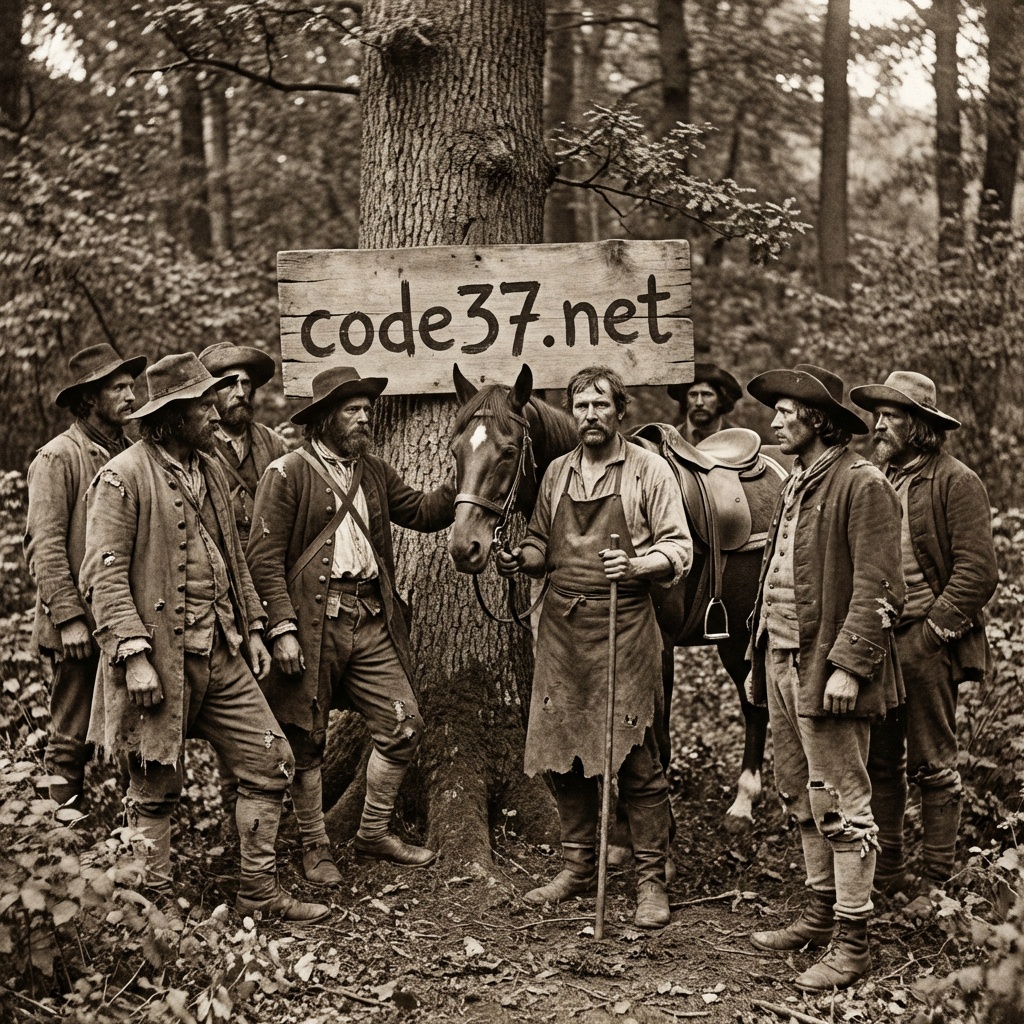
The 18th century was teeming with organized gangs of robbers. After the Seven Years’ War, Napoleon I’s troops marched into the area west of the Rhine, causing many German officials to flee. During this period of lawlessness, the notorious Mosel gang was formed, which became one of the most famous bands of robbers in the Eifel and Hunsrück regions with their inaccessible forest areas. This gang was made up of mercenaries, deserters, beggars, vagrants, and craftsmen. The blacksmith Hans Bast Nikolai from Krinkhof, also known as Teufelsbanner (Devil’s Banner), was considered the soul and leader of the gang. Since the gang mainly stole horses from the French occupation troops and sold them on, the blacksmith Hans Bast Nikolai was indispensable for shoeing the horses for the gang. He was also a gifted planner. In addition to stealing horses, they stole everything that wasn’t nailed down. They were extremely brutal in their actions, beating, abusing, and killing their victims. The most brutal members of the gang were the butcher Richard Bruttig, known as “the Butcher,” Johann Jacob Krämer, known as “Iltis Jacob,” and the vengeful miller Joseph Schiffmann, known as “Tuchhannes.” The latter was also the decisive reason for their most cruel crime, which immortalized them in German criminal history. Joseph Schiffmann was in debt to the respected miller Krones, who had leased the Sprinker Mill and lived there with his family. When he demanded his money back from Schiffmann at the market in Manderscheid, it was his death sentence. Two days later, on August 23, 1796, the gang attacked the miller’s family and carried out a veritable bloodbath. The brutal attack left behind a bloody battlefield. On the ground floor, the dead miller’s wife lay across a baking trough, her brain spilling out of her hanging head and her throat almost completely cut through. Next to her lay her husband, the miller, with his skull smashed in. Next to him lay their 7-year-old son Matthias Joseph, dead in his bed, his body covered with stab and blow wounds and his little fingers cut off. Upstairs was the body of their 23-year-old daughter Anna-Maria, who had skull injuries, seven stab wounds in her back, and two fingers that had been cut off. In the attic, their eldest son Gerhard was found seriously injured, with severe head injuries, knocked-out teeth, and a split tongue. He survived, but did not want to remember the murderers. He was too afraid that they would take brutal revenge on him. The only one spared was the 12-year-old son Johannes, who had spent the night with relatives in Mückeln. It was not until six years after the gruesome crime that other criminal activities of the gang led to the solving of the murders in the Sprinker Mill. On September 1, 1799, 16 gang members were charged with numerous crimes in Koblenz. The gang leader Nikolai was proven to have been an accomplice in the Sprinker murder and was sentenced to death and executed in Koblenz in the fall of 1801. Gerhard Krones then dared to testify against Joseph Schiffmann, who was also sentenced to death for the murders of the Krones miller family. The death sentence was carried out in Koblenz in the summer of 1802. Since the other gang members had already been sentenced to numerous prison terms and death sentences in the 1799 trial, the Mosel gang was broken up and thus finally became history. Gerhard Krones, who had survived his serious injuries, married twice, but both times his wives died shortly after the wedding. He himself died on November 13, 1855, at the age of 78, knowing that the brutal Mosel gang had received their just punishment for their crimes against his and other families.