Isabella Mueller (crime writer)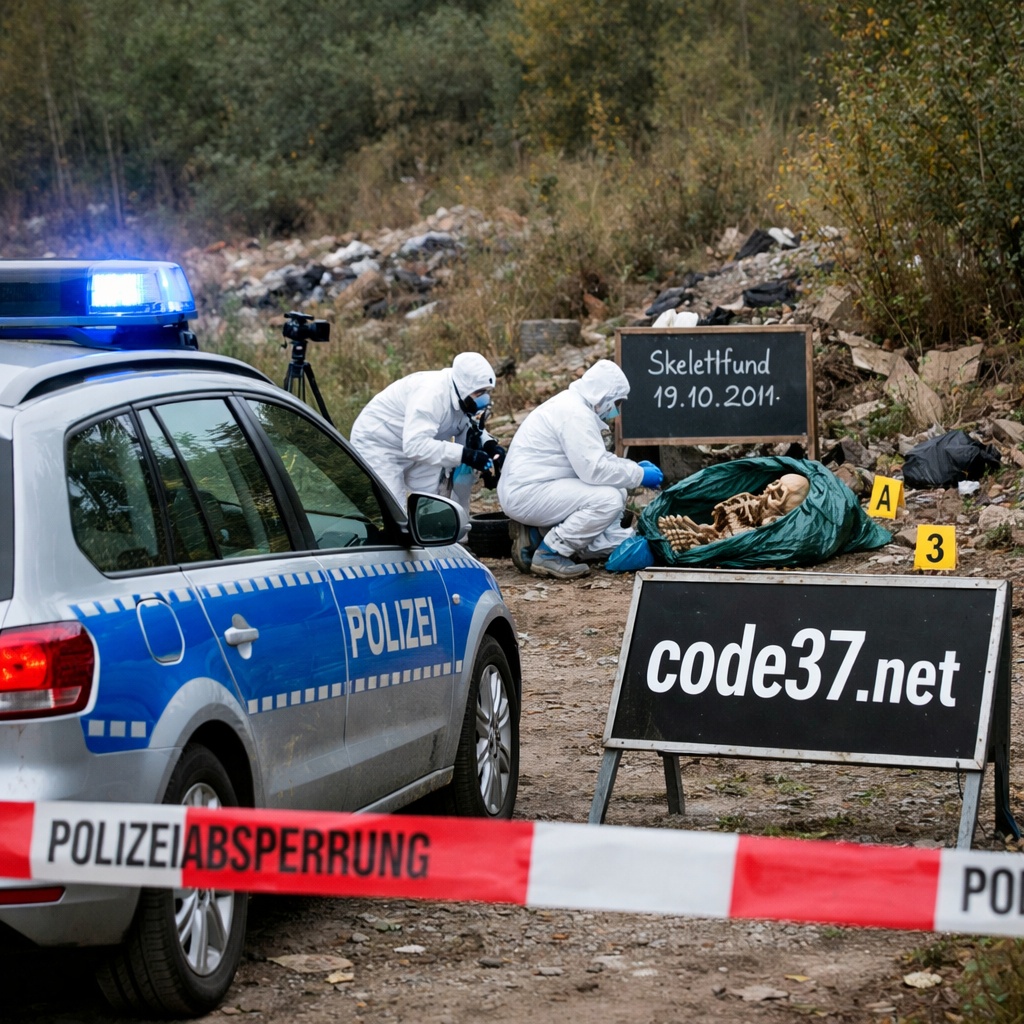
More than 30 years ago, 18-year-old Lolita Brieger disappeared. She worked as an unskilled seamstress in Jünkerath, a village in the Vulkaneifel region of North Rhine-Westphalia, where she lived in a small apartment. The attractive, pregnant woman was last seen alive when she got out of her coworker’s car around 1 p.m. in Scheid to go to the farm of her boyfriend Josef Klein, known as Jupp, with whom she had made plans to meet him and his father. But she never arrived there. Lolita Brieger vanished without a trace on the afternoon of November 4, 1982, and would not reappear until 30 years later. But let’s take it in order. In August 1981, at just under 17 years old, Lolita Brieger had met and fallen in love with Jupp, a handsome and well-off 21-year-old farmer from a well-to-do, long-established farming family. From the very beginning, Jupp’s parents took issue with the relationship, which they considered beneath their station. Lolita Brieger came from a humble background; her parents were German expellees from Silesia. Her father worked in mining and had to support a family of six on his meager salary. In the summer of 1982, Jupp broke up with Lolita for the first time, prompting her to attempt suicide by taking sleeping pills. She was saved, and Jupp returned to Lolita, who told him she was pregnant. Lolita hoped that Jupp would now marry her, but Jupp ended the relationship again because of her pregnancy. The day before her disappearance, a loud argument broke out between her and Jupp in her small apartment, which was also heard by her landlady, who lived in the same building. While Lolita tried to convince Jupp of a future together, Jupp made it unmistakably clear to Lolita that there would be no such future. Lolita was to come to the courtyard the next day so that his father could settle the matter with a financial settlement. Lolita agreed. Ever since Lolita had gotten out of her coworker’s car, she had vanished without a trace. Her parents filed a missing persons report, and the criminal investigation department worked the case at full speed. But unfortunately, to no avail. Only her keyring was found by a teenager in February 1983 at the cemetery in Stadtkyll. Decades passed. Then investigator Wolfgang Schu of the Trier Homicide Division received the file again; it had not been closed because murder could not be ruled out. He featured the Lolita Brieger case on August 24, 2011, on the television program “Aktenzeichen XY … ungelöst.” He hoped that perhaps an accomplice would come forward. This person had nothing to fear from prosecution, as the statute of limitations for involvement in the crime had expired. He made an urgent appeal to the conscience of anyone with knowledge of the crime so that the family could finally find peace. Indeed, the long-awaited miracle occurred even during the broadcast. A viewer came forward with information about a possible accomplice. This was a roofer friend of Josef Klein’s who had helped his friend dispose of Lolita’s body at the time. Josef Klein was therefore taken into custody on September 9. On October 19, 2011, after a twelve-day search, a human skeleton with a wire noose around its neck was found inside a green plastic bag at the abandoned landfill near Dahlem-Frauenkron. The autopsy revealed that the remains were those of the missing Lolita Brieger. She was buried on November 4—the day she lost her life 29 years ago—along with her unborn child at the cemetery of St. Brictius Parish in Berk. After the Trier Public Prosecutor’s Office filed murder charges against Josef Klein on December 29, his trial began on March 6, 2012. The events of November 4, 1982, unfolded as follows. Josef Klein had met with Lolita Brieger in a shed on the farm. As so often happened, an argument ensued, and Josef Klein strangled Lolita Brieger with a wire noose. Afterward, his friend helped him dispose of the body by placing the deceased in a plastic bag and burying it under piles of trash at the landfill. The trial centered on whether Josef Klein could be proven guilty of murder or only manslaughter. Unlike manslaughter, which has a 20-year statute of limitations, murder has no statute of limitations in Germany. On June 11, 2012, Josef Klein was acquitted of the murder charge. He was responsible for Lolita Brieger’s death, but the elements of murder could no longer be proven. This was also due to the fact that Josef Klein remained steadfastly silent throughout the entire trial. Since the manslaughter charge had already exceeded the statute of limitations, Josef Klein was able to leave the Trier Regional Court a free man. The only consolation for the relatives is that Lolita Brieger’s case has been resolved and now everyone knows who is responsible for her death. Josef Klein must now live with this guilt and the piercing stares of others. For whatever a person sows, that is what they will reap.