Isabella Mueller (crime writer)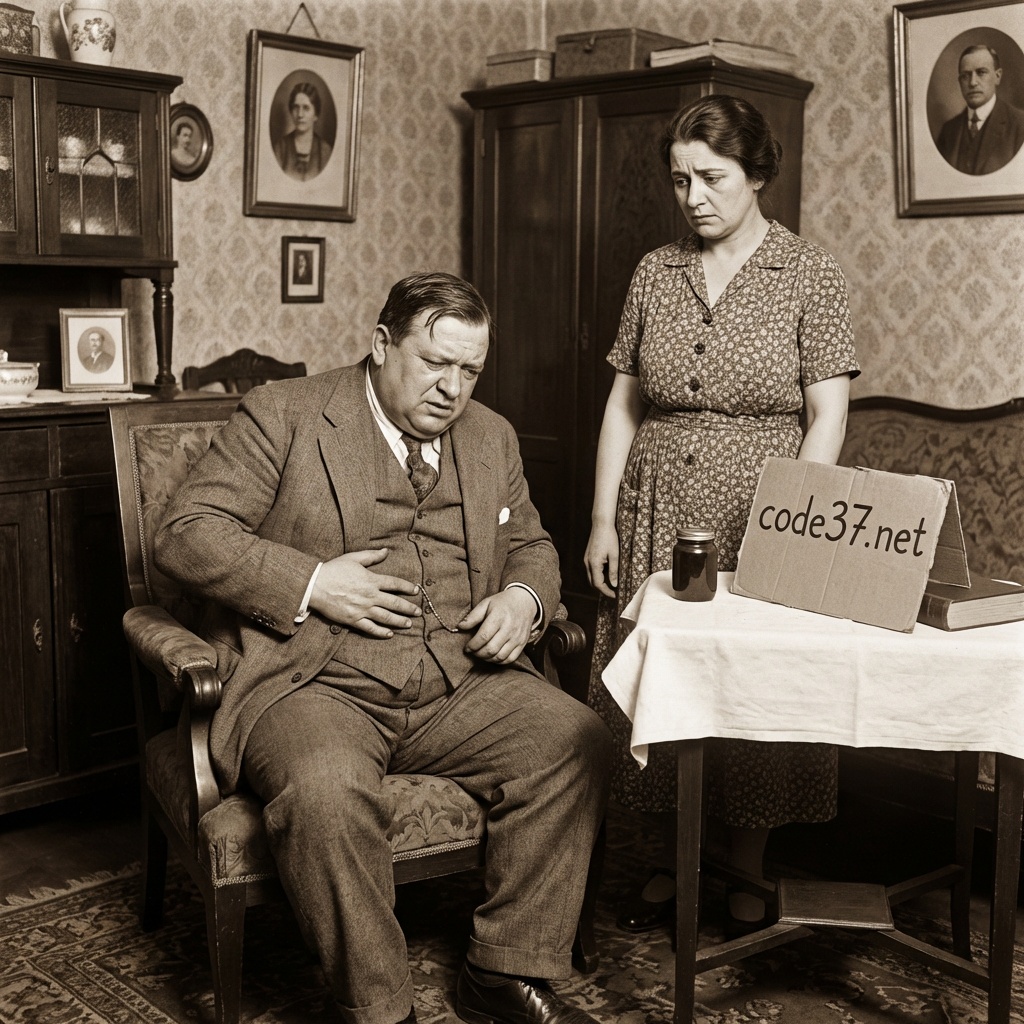
One of the most popular—and perhaps even the most popular—methods women use to kill someone is poison. Poisoning is considered particularly sophisticated, which is why women have long been associated with it. Even in Greek mythology, there was the deadly poisoner Medea. She was succeeded in the Italian Renaissance by Giulia Tofana with her perfect poison potion. During the Roaring Twenties, another woman also gained notoriety through a poisoning. This was Leopoldine Lichtenstein. Her perfect murder weapon was a paste for rat and mouse extermination produced by Bayer AG. It was called Zelio and caused symptoms that closely resembled other medical conditions. Using this paste, Leopoldine Lichtenstein poisoned her 29-year-old husband, the metal printer’s assistant Hermann Lichtenstein from Vienna’s 16th district, Ottakring, in 1925. The strong man had been complaining to his wife Leopoldine of stomach pains since the last week of June. Even when he took the smallest bite, he had to vomit. At first, Hermann Lichtenstein thought it was an upset stomach that would soon go away. But on July 11, he suddenly had such severe pain in his legs that he could no longer walk. His doctor had him admitted to Wilhelminenspital for rheumatoid arthritis. There, however, his health did not improve. Even his hair was now falling out in clumps. The doctors soon suspected that it might be a case of chronic arsenic poisoning and notified the police, as they suspected his wife of having poisoned her husband. But Hermann Lichtenstein assured the police that his wife, Leopoldine, would never poison him. Leopoldine Lichtenstein herself confirmed to the police that she was completely innocent. Over the course of the summer, Hermann Lichtenstein’s health improved again, so that he was discharged from the hospital on September 1. But just one week later, Hermann Lichtenstein was readmitted to Wilhelminenspital due to his usual complaints as well as a sudden inflammation of the facial skin. This time, however, he could not be saved; he died on September 27. The autopsy was performed by the medical examiner and director of the Vienna Institute, Prof. Albin Haberda. He determined that the severely emaciated Hermann Lichtenstein had died of cerebral edema accompanied by fatty degeneration of the heart muscle and kidneys, presumably caused by slow-onset metal poisoning. A chemical analysis of the preserved body parts was conducted. Tests were performed for arsenic, lead, and barium. A low concentration of arsenic was detected in a piece of neck skin. Large quantities of the toxic metalloid were also found in the bones. However, only traces of a substance could be isolated from the liver, kidneys, small intestine, and heart; while these traces exhibited characteristics of arsenic, they could not be definitively identified as arsenic. Based on this result, Prof. Haberda could not rule out repeated exposure to smaller doses of arsenic. The widow Lichtenstein’s apartment at Rankengasse 29 was subsequently searched by the police, who found only medications that were not the cause of Hermann Lichtenstein’s illness. It was also strange that Hermann Lichtenstein, even when he ate at the hospital, had to vomit immediately after the first bite. This argued against chronic poisoning. Yet the police were certain that Leopoldine Lichtenstein had poisoned her husband—but with what? To answer this question, the police questioned her again one year after her husband’s death in her apartment, where her new lover was already living. She was subsequently taken into police custody on November 8, 1926. Gradually, Leopoldine Lichtenstein confessed to poisoning her husband with Zelio, a proven rat poison available at the drugstore. The first time was on June 24, 1925, when she mixed half a tube of Zelio into her husband’s tomato sauce. This way, the blue-green color wasn’t noticeable, and since the paste was odorless and tasteless, her husband didn’t notice the poison. However, since her husband had vomited immediately, she reduced the dose of the poison from then on. She mixed the poison into his food and drinks by the teaspoon. By the time of his hospitalization on July 11, she had administered three tubes of Zelio to him. This confession was considered groundbreaking, as it enabled the forensic pathologists to specifically search for the active ingredient thallium. This is because the Zelio paste contained 2.5 percent thallium in a sulfuric acid compound as its active ingredient. Armed with this knowledge, Professors Jansch and Zaribnitzky examined the preserved remains of the body parts for this toxic heavy metal. In fact, they succeeded in isolating 17.3 milligrams of thallium sulfate from 3,095 grams of examination material. But how had Leopoldine Hermann poisoned her husband during his hospital stay? Investigators assumed that the drinks she had brought with her were laced with rat poison. The police surmised that Leopoldine Hermann had poisoned her husband again with Zelio after his discharge from the hospital. But Leopoldine Lichtenstein vehemently denied this. With the methods available at the time, not even the renowned Prof. Haberda could refute this claim, since thallium is excreted from the human body extremely slowly, and thus the three vials that Leopoldine had administered to her husband from late June to early July could have been sufficient to kill him. In the spring of 1927, Leopoldine Lichtenstein was charged with murder by poisoning. However, the prosecution cited mitigating circumstances based on her confession and the fact that Hermann Lichtenstein had often brutally abused his wife, sexually exploited her excessively, had not given her any household money, and had attempted to force her into prostitution. Leopoldine Lichtenstein, who on March 27 retracted her confession and now claimed she had only given her husband a meal mixed with Zelio paste on June 24, 1925, was sentenced by the jury to eight years of hard labor for manslaughter. This sensational case sparked a veritable Zelio paste craze worldwide that lasted for about half a century until the rat poison was taken off the market in the 1970s. This also marked the end of the era of Zelio as a tool for convenient murder by poisoning.