Isabella Mueller (crime writer)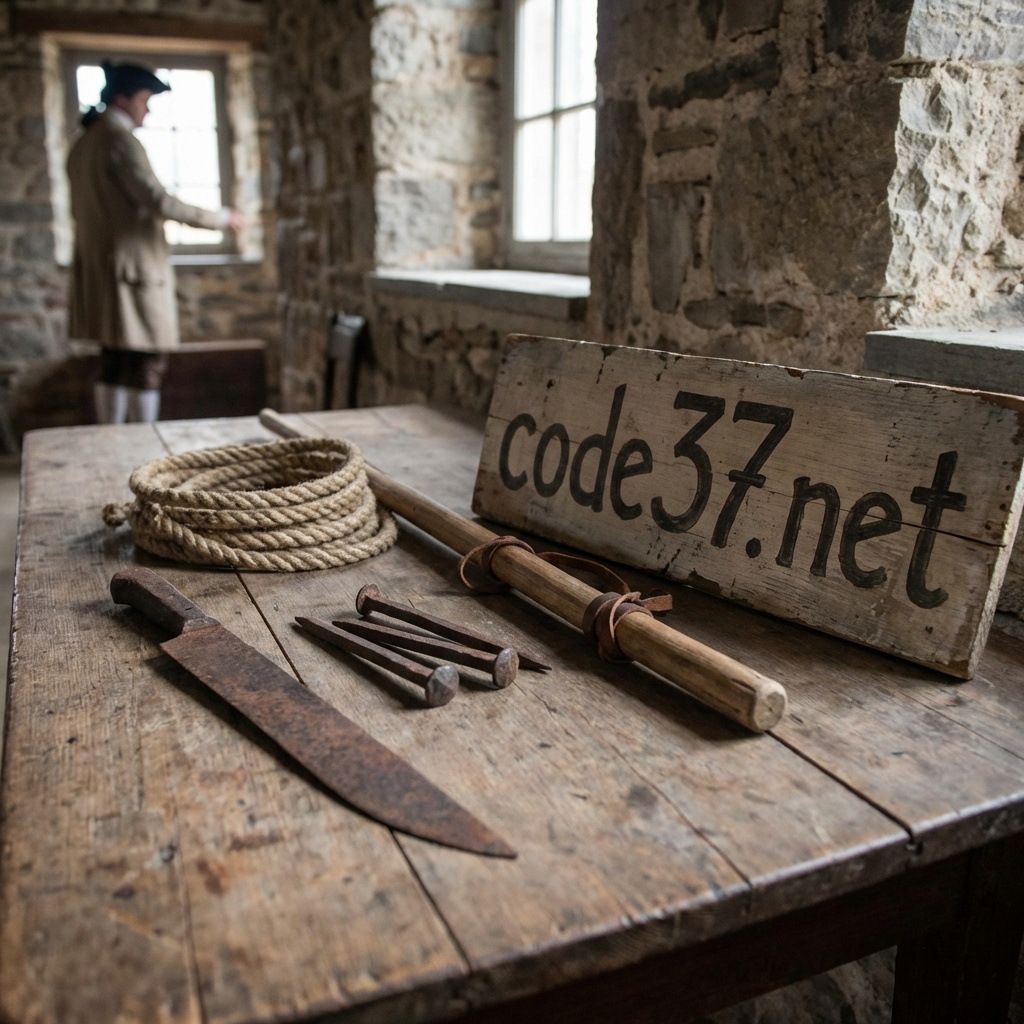
The Frauenkirche is undoubtedly the landmark of the Elbe metropolis of Dresden. The foundation stone for the Protestant church was laid on August 26, 1726. For the Lutheran citizens of Dresden, the Frauenkirche was their symbol of the Reformation. This was because the city had been divided along religious lines ever since the Saxon Elector Frederick Augustus I, also known as Augustus the Strong, converted from Protestantism to Catholicism in June 1697 in order to become King of Poland, a position reserved for Catholics. August the Strong was indeed appointed King of Poland as August II in Wola on June 27, 1697, and crowned in Krakow on September 15. His change of religion was met with rejection both by his wife, the Protestant Christiane Eberhardine, who was also known as the “prayer pillar of Saxony,” and by the population, as Saxony was considered the motherland of the Reformation. This led to repeated civil unrest between Protestants and Catholics. In 1726, the murder of Hermann Joachim Hahn, a Protestant preacher at Dresden’s Kreuzkirche, culminated in days of civil unrest against Catholics, as the population believed that his murderer, a man named Franz Laubler, had been incited by Catholics. Franz Laubler was born in Oberhausen near Augsburg in 1684. In 1720, he received his communion in Vienna from the Archbishop of Valencia. Since then, the host had remained permanently stuck in his throat. He enjoyed a Catholic upbringing and learned the butcher’s trade. After his apprenticeship, he was a mercenary in various countries until he finally settled in Dresden in 1722. There he met the Protestant preacher Hahn, who became his close confidant. Hahn not only accepted him into the Lutheran Church, but also placed him with the mounted guards in the electoral bodyguard. After his discharge from military service, he turned increasingly back to Catholicism. The desire to murder his former convert grew. To this end, on May 21, 1725, at around 1:00 p.m., he went to Hahn’s rectory armed with a long knife, three nails, a rope, and a rod. There he wanted to strangle, crucify, and flog the preacher Hahn with rods. When he entered the house and discovered Hahn, he tried to overpower him, but failed. So he used his knife and stabbed the preacher a total of five times. He then turned himself in to the guard and confessed to the murder of the priest. Rumors quickly spread that Catholics had incited Franz Laubler to commit the murder, leading to bloody riots by Protestants against Catholics in the city. These riots could only be quelled after several days. On July 18, 1726, Franz Laubler was publicly executed on the Altmarkt in front of Dresden City Hall. He was broken on the wheel. He received three blows to the neck, then his arms and legs were shattered. Numerous blows to the heart ended his life. Afterwards, his body was carried from the scaffold by executioners and, together with an escort of 24 council guards, taken to the Black Gate, where it was placed on the wheel. Thus ended the cruel life of the priest murderer Franz Laubler.