Isabella Mueller (crime writer)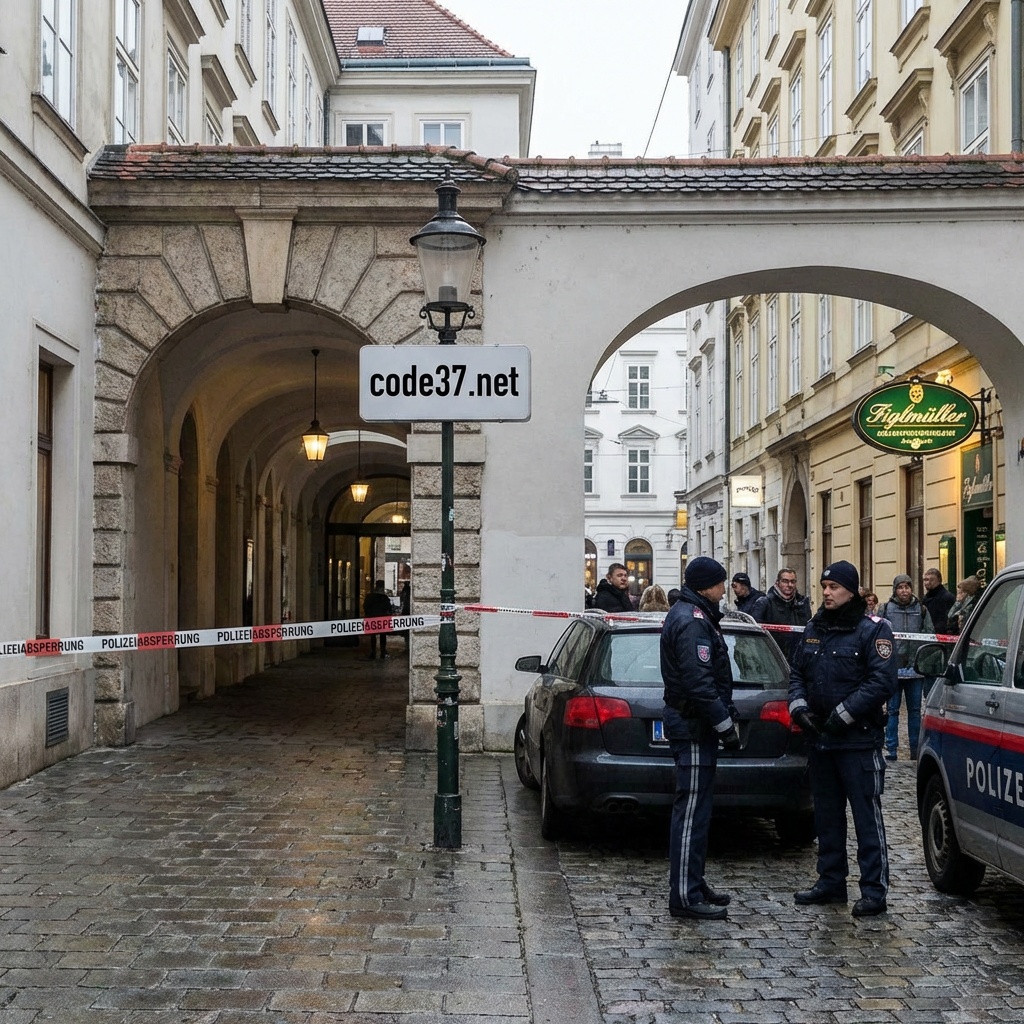
Vienna’s city center, known for its magnificent buildings, was shaken by a disturbing event in December 2018. Amidst the festively decorated streets, bustling with locals and tourists, the sharp bang of several gunshots echoed. The echo of this violence shattered the idyll of the Danube metropolis and left people in a state of panic. The incident took place in a pedestrian passageway from Lugeck to Wollzeile, not far from the famous schnitzel restaurant Figlmüller, one of Vienna’s most renowned culinary institutions. Here, two men were victims of a brutal attack reminiscent of a classic mafia execution. One of the men, Vladimir Roganovic, a 31-year-old with ties to a Balkan underworld clan, died at the scene. The other man was taken to Vienna General Hospital with serious injuries, where he underwent immediate surgery and survived. The young man turned out to be 23-year-old Stefan V., the son of a former powerful mafia boss. The Vienna police reacted quickly and took comprehensive measures. According to witness statements, the perpetrator, who may have been shot himself, escaped in a black Mercedes, but left a trail of blood behind. The search soon spread across the entire city, with several people being stopped and asked to show their ID. The police communicated their findings via Twitter, partly in English. This was not only because of the international media coverage, but also because of the many tourists who were in Vienna during the Christmas season. Investigations revealed that the incident in Vienna was not an act of terrorism, but probably a feud between Balkan clans. The Balkan clans involved were the mafia-like Kavacki clan and the Skaljarski clan, both named after a settlement in Kotor. At the end of 2014, a dispute arose between the two clans over a drug deal. The Kavacki clan is said to have stolen 200 kilograms of cocaine from an apartment in Valencia belonging to the other mafia gang. This led to bloody reprisals in Valencia, Montenegro, and Serbia. The father and brother of Stefan V., who was seriously injured, were also killed in these incidents. Vladimir Roganovic, who had only been released from prison on December 7, 2018, belonged to the notorious “Kavacki clan” from Montenegro. He had a criminal past. His connection to illegal activities, including document forgery and weapons possession, was well known. The murder was therefore interpreted as part of an underworld dispute that reached its deadly climax on the streets of Vienna. Witnesses reported that they had previously seen the group having lunch together at the schnitzel restaurant “Figlmüller,” where tensions apparently flared. After the murder, which was described in the media as a “Mafia murder,” a 29-year-old man in custody vehemently denied his involvement. Several witness statements indicated that the 29-year-old had run after the shooter before the latter could turn around and aim at him. The attack ended with the suspect hiding and then attempting to administer first aid. According to the Vienna police, he shouted in English, “Is he dead, is he dead?” as the murdered man was covered. This emotional exclamation was confirmed by witness statements and caused a wave of empathy towards the detainee. While the search for the perpetrator continued, the question of the motives for the crime remained crucial. Rivalries between Montenegrin clans, possibly related to drug trafficking, were the focus of the investigation. The murder of Vladimir R., immediately after leaving a restaurant on Lugeck, was a targeted attack and was perceived as an execution. The Viennese population reacted with dismay to the events, which clouded their image of a safe and culturally rich city. Discussions about the presence of international crime took place in political and social circles. Media reports followed the progress of the investigation and often expressed citizens’ concerns that such brutal acts of violence could also happen in a city like Vienna. The coverage extended to the international media, bringing the city of Vienna into the spotlight of global attention. Tourists who had come to enjoy the festive atmosphere of the city now found themselves in the midst of a major police manhunt. The police, operating both nationally and internationally, were a symbol of rapid and constant control and security in crisis situations. The incident raised many questions, not only about the security situation in Vienna, but also about the international links between criminal networks. While the perpetrator remained at large, the police worked to track down the crime and its underlying networks. The role of the 29-year-old defendant remained unclear, and the legal proceedings surrounding the case were of great interest to Austrian society. The mafia murder in the heart of Vienna dramatically revealed the challenges of modern urban security and the constant vigilance required to manage the invisible boundaries between everyday life and danger. To date, despite intensive investigations by the Vienna police, Vladimir Roganovic’s murderer has not been caught.