Isabella Mueller (crime writer)
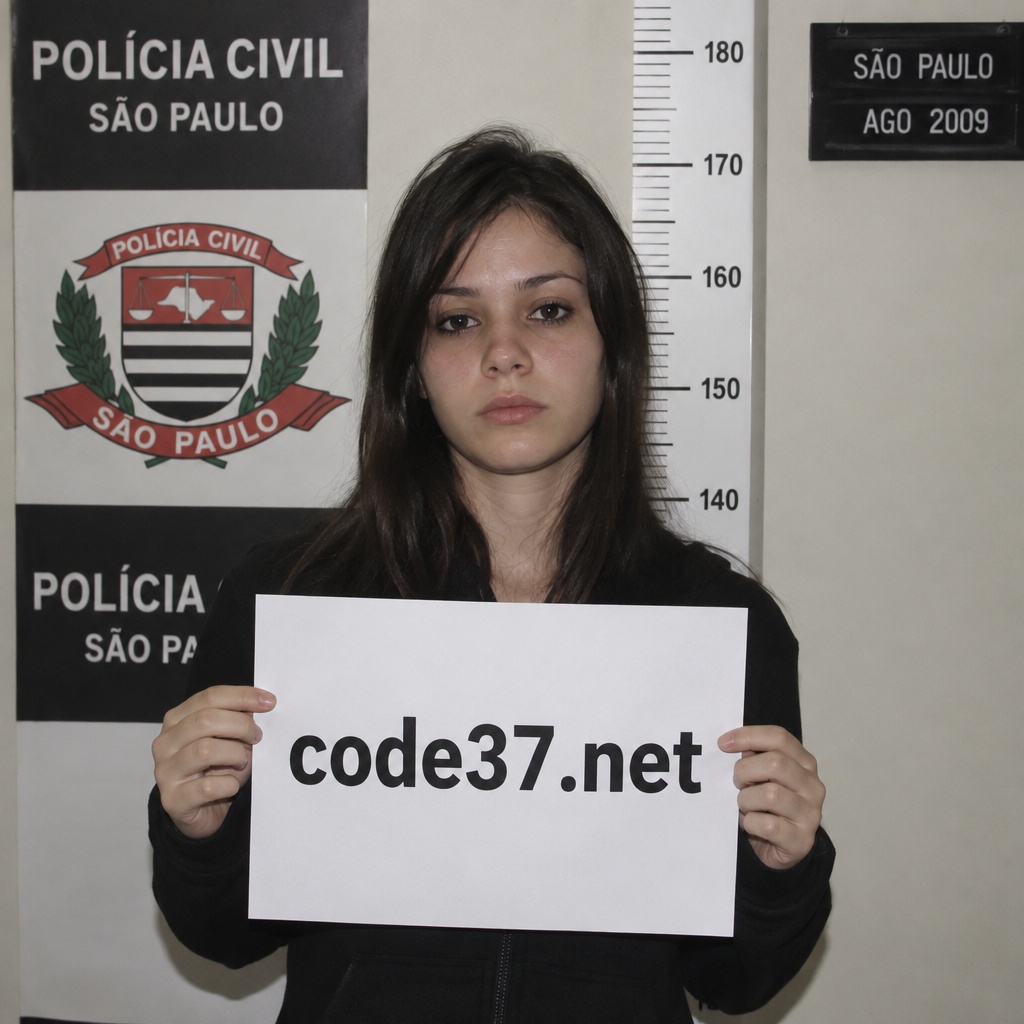
It was a news story that left even the most hardened investigators stunned in August 2009: a 17-year-old schoolgirl from São Paulo confessed to the police that she had stabbed 30 men to death since the age of 15. The story, reported by Fox News, shocked not only the São Paulo Police Headquarters but the entire nation. The young perpetrator, whose identity is protected due to her being a minor, revealed her murderous spree to the authorities in a shocking confession. She stated that she wanted to confess before her 18th birthday, as she could then not be prosecuted as an adult. In her statements, she explained in cold blood that she had committed the murders for various motives: “for money, revenge and justice”. Apparently, she lacked the courage to use a firearm, but she was able to wield a knife with lethal precision. Thus, for two years, the young woman left a trail of death through the streets of São Paulo. One theory suggests that she was hired by underworld bosses as a contract killer precisely because she looked so innocent. This assumption was supported by reports that, prior to her arrest, the perpetrator had been involved in a street brawl, which ultimately led to her being apprehended. The story of this young murderer continues to raise many questions to this day and has challenged experts to understand the reasons and circumstances behind such acts. There were indications that she specifically targeted men, which made her crimes even more mysterious and terrifying. According to her own statements, her first crime is said to have taken place shortly after her 15th birthday. At that time, she told investigators, she had mugged a man to get money. She got off lightly, which encouraged her to carry on. In the months that followed, according to her statement, she deliberately singled out men whom she considered corrupt or morally reprehensible. Her sense of justice was distorted and bloody. During her interviews, the young woman showed little remorse. She spoke of her crimes with a coldness that sent shivers down the spines of even the most experienced investigators. “I wasn’t afraid,” she said. “I knew I was stronger than them.” Her words suggested that she believed herself to be in a position of power that gave her a sense of absolute control. A psychiatric assessment was ordered to evaluate her mental state. The experts were tasked with determining whether she suffered from a mental disorder or whether other factors had driven her to commit these atrocities. It was suspected that she had a history of deep-rooted trauma or abuse that had led her down this dark path. At the same time, the police were investigating possible links to criminal networks. It remains unclear whether the young woman was in fact acting as a sort of teenage hitwoman. Should this prove to be true, it would reveal a new dimension of crime in São Paulo, presenting even the toughest law enforcement agencies with new challenges. The case caused a huge stir on social media and amongst the general public. The teenage serial killer gained media fame as the ‘São Paulo Girl’. Many people were shocked and frightened that such a gruesome series of murders could have gone unnoticed. There was debate as to whether the existing justice system and social structures are adequate to prevent such extreme cases and to offer timely help to young violent offenders. The case of this 17-year-old serial killer has undoubtedly gone down in Brazilian criminal history. It posed major challenges not only for the investigating authorities, but also for the psychologists and sociologists seeking to understand the motives behind such acts. Yet there is no denying that the story of this young murderer reads like a dark chapter from a thriller, one that grips and unsettles the reader right up to the very last page. For the victims’ families, however, her confession brought little comfort. Many of them had been searching for answers for a long time and had hoped that the perpetrator would be caught. Now they were faced with the bitter reality: the murderer was a young girl, practically still a child, who had left a trail of horror and bloodshed in her wake. The São Paulo police were faced with the difficult task of piecing together the puzzle of this harrowing case. This grim case once again highlighted the complexity of the depths to which human beings can sink, and the constant struggle of society and the justice system to understand and prevent such tragedies. There have been no further public reports on this case since 2011.