Isabella Mueller (crime writer)
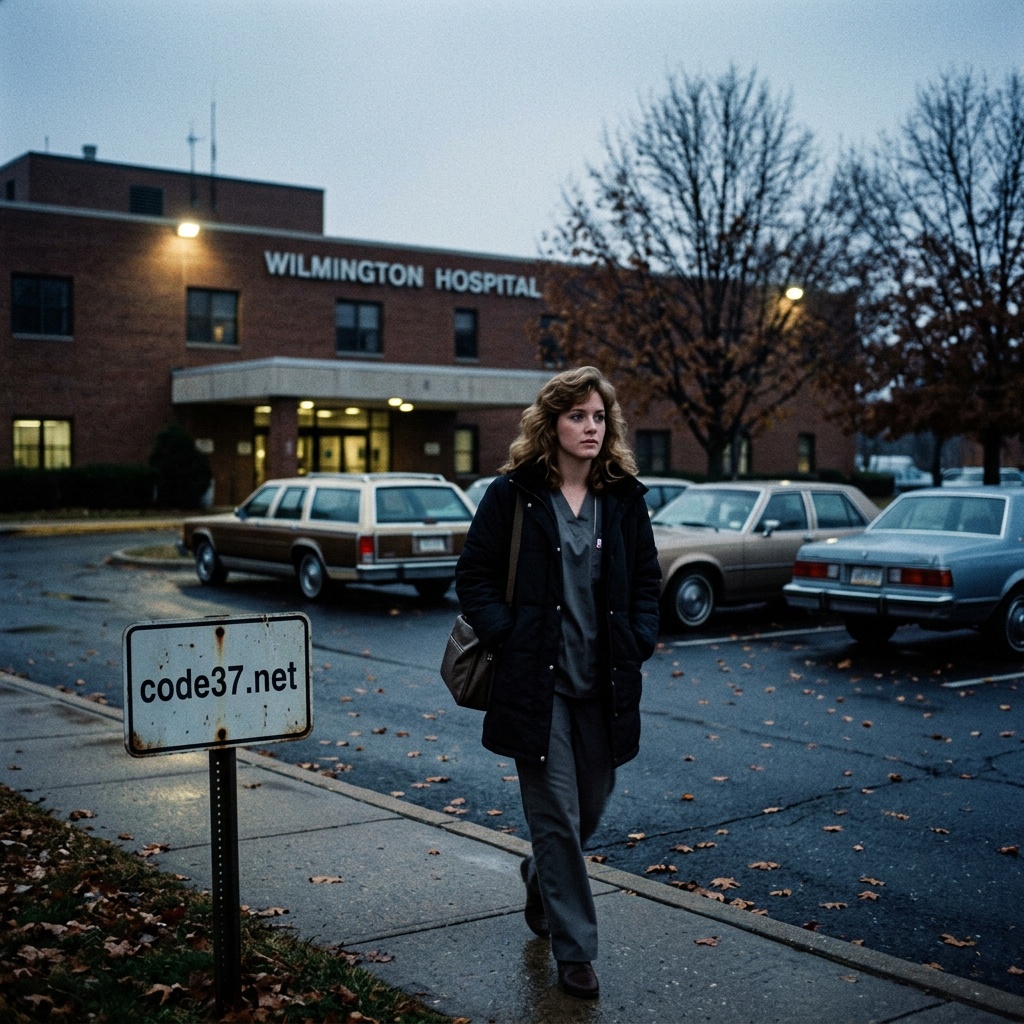
In the shadows of Delaware’s dark roads, a monster lurked, committing unspeakable acts. Steven Brian Pennell, known as “The Route 40 Killer”, etched his name into the annals of criminal history through his brutal atrocities. His spate of murders shook an otherwise peaceful region and left an indelible trail of horror. On 29 November 1987, the nightmare began. Shirley Anna Ellis, aged 23, a young nurse with a heart for those in need, vanished without a trace after leaving Wilmington Hospital. She accepted a lift on Route 40 – a decision that was to prove fatal. Two teenagers discovered her mutilated body by the roadside. It was evident to the naked eye that she had been the victim of cruel abuse. Although there were no signs of sexual assault, Shirley, who had previously worked as a prostitute, had been brutally tortured before being strangled and beaten with a hammer. Her wrists and ankles bore marks from being tied up, and her mouth had been sealed with black adhesive tape to prevent her from screaming. The horror continued seven months later with the murder of 31-year-old divorcee Catherine A. DiMauro, who was travelling along Route 40 at around 11.30 pm on 28 June 1988. Her naked body was discovered at daybreak by construction workers on a building site. The striking similarities to Ellis’s murder quickly led investigators to conclude that a serial killer was at work. Both women had been brutally tortured, then strangled and beaten with a hammer. This time, however, the killer had left a crucial clue: DiMauro’s body was covered in mysterious blue fibres, which would later play a key role in the investigation. The macabre details left the people of Delaware breathless. The police set up a special task force comprising members of the Delaware State Police and the New Castle County Police, who worked closely with the FBI’s profiling unit. The investigators worked feverishly to apprehend the killer. In an unprecedented operation, police officers and FBI agents disguised themselves as sex workers. Yet despite the impressive manpower of over 60 people, the mysterious killer initially remained unidentified. It wasn’t long before the serial killer struck again; his next victim was the prostitute Margaret Lynn Finner, who disappeared on 22 August 1988 along Route 13, a junction with Route 40. Witnesses had last seen her getting into a blue Ford driven by a man. A frantic search was launched for the man in the blue van. Three agonising months passed before, on 20 September 1988, a hunter found the remains of a woman near the Chesapeake-Delaware Canal. They were so badly decomposed that the cause of death could no longer be determined. The body was that of Michelle Gordon. She, too, had last been seen getting into the notorious blue Ford. The post-mortem report revealed that she had been tortured to death whilst under the influence of drugs. The mysterious disappearance of Kathleen Anne Meyer added to this eerie series of crimes. An alert police officer had seen her getting into a blue van and had noted down the number plate – a pivotal moment that would soon prove decisive. It was Renée Taschner, a courageous undercover officer, who ultimately brought about the decisive turning point. On 14 September 1988, whilst travelling along Route 40 disguised as a prostitute, she spotted the ominous blue Ford. The blue van had immediately caught her eye as it drove past her seven times, so she noted down its number plate. When the man finally pulled up alongside her and asked her to get into his car, she noticed the interior was lined with blue carpet. She tried to engage the man in conversation so that she could discreetly remove some fibres from the blue carpet. She then made her excuse and left. The driver of the blue Ford turned out to be 31-year-old Steven Brian Pennell, a married father of two and a seemingly unremarkable electrician. The authorities were certain that they had finally identified the Route 40 Killer from Delaware. Pennell’s arrest took place exactly one year after the first murder. During a search of his vehicle, the police discovered a macabre collection of torture instruments that read like a catalogue of horror. Using state-of-the-art forensic methods, the police were able to link him beyond doubt to several murders. The use of DNA evidence was groundbreaking and served as a solid foundation for Pennell’s conviction. Particularly damning were the blue carpet fibres found on DiMauro’s body. The FBI laboratory unequivocally established a match between the fibres from Pennell’s car and those found on DiMauro. During the trial, Pennell’s disturbed psyche was laid bare: he initially denied all guilt, but after being sentenced to two life terms, he unexpectedly demanded the death penalty during his appeal. Ultimately, the Supreme Court sentenced Pennell to death – a verdict that satisfied the desperate community’s sense of justice. Despite several appeals and dramatic court hearings, the final chapter of this macabre drama came to an end on 14 March 1992. Steven Brian Pennell, the first serial killer in Delaware’s modern history, received his just punishment when he was executed by lethal injection. On that day, a gruesome chapter came to an end with his execution. To this day, many questions remain unanswered, questions that Pennell took to his grave. The horrors that began on the unassuming Route 40 continue to haunt the memories of Delaware’s residents. Whilst the names of the victims may slowly fade, the warning remains vivid: true horror often lurks where one least expects it. Here ends the disturbing tale of a man who dared to turn the unimaginable into reality.