Isabella Mueller (crime writer)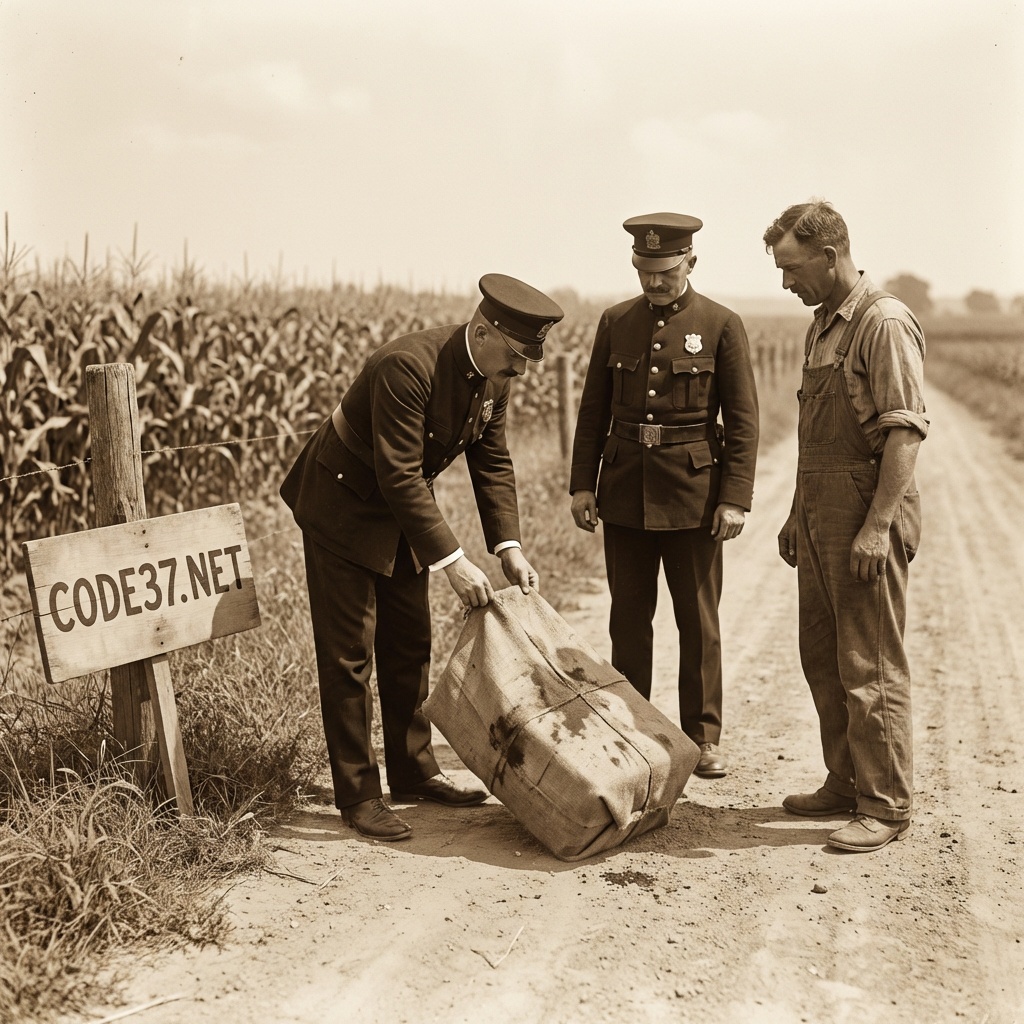
It was 1922 when, on July 17, a hot summer day, a farmer found a package in a cornfield in Vienna’s 11th district, Simmering. Since it had bloodstains and smelled strongly of decay, the farmer alerted the police. When they opened the package, not only did a beastly stench assault their nostrils, but they were also confronted with the gruesome sight of a brutally mutilated male corpse without a head. The autopsy revealed that the male corpse was approximately 1.65 meters tall, over 60 years old, and had a poorly healed thigh fracture, which is why the man had probably limped. With this information, the head of the security office, Hofrat Dr. Wahl, went public. Shortly thereafter, tenants from a house on Sedlitzkygasse came forward. They informed the police that their neighbor, 67-year-old roofer’s assistant Simon Mikschofsky, had been missing since June 5, 1922, and that he had been limping since falling from a roof 17 years earlier. They found the behavior of his wife particularly strange, as she gave flimsy excuses for her husband’s disappearance. In addition, the neglected woman had meticulously cleaned her apartment after her husband’s disappearance. The detectives followed up on these clues. Simon Mikschofsky’s description matched the height, age, and disability (limping) of the body found in the cornfield. The medical examiner Werkgartner then called the archivists at Vienna’s hospitals to obtain Simon Mikschofsky’s medical records and X-rays. He found what he was looking for and, based on these documents, determined that Simon Mikschofsky’s injuries at the time matched the signs of a broken thigh found during the autopsy. This allowed the body to be clearly identified as Simon Mikschofsky. With this information, the detectives went to Marie Mikschofsky’s apartment. When she did not open the door, the fire department broke it down. In the modest apartment, the detectives found evidence of a veritable bloodbath. In addition to blood-soaked rags, a bloodstained knife and a pickaxe with blood crusts were also found. The search for Marie Mikschofsky was in full swing. After a few days, she was located and arrested. When the detectives confronted Marie Mikschofsky with the incriminating evidence, she confessed to the gruesome murder of her husband without any emotion. On the day of the murder, she had argued with her husband over a wash tub. During the altercation, she pushed her husband back, causing him to stumble backwards and fall headfirst out of the iron stovepipe. He broke his neck in the fall. Since she couldn’t remove the body in one piece, she dismembered it with a hoe and a knife. She disposed of the head in the Danube Canal, while she packed the other body parts into a package, which she threw into the Simmering cornfield. Simon Mikschofsky’s death could probably have been prevented if he had not taken his wife, who had been admitted to the Gugging State Mental Hospital shortly after their marriage due to paranoia, out of the hospital in 1907. Fifteen years later, he paid for his compassion with his own life. Marie Mikschofsky escaped a prison sentence because of her severe paranoia. Instead of going to prison, she was sent to a mental hospital.