Isabella Mueller (crime writer)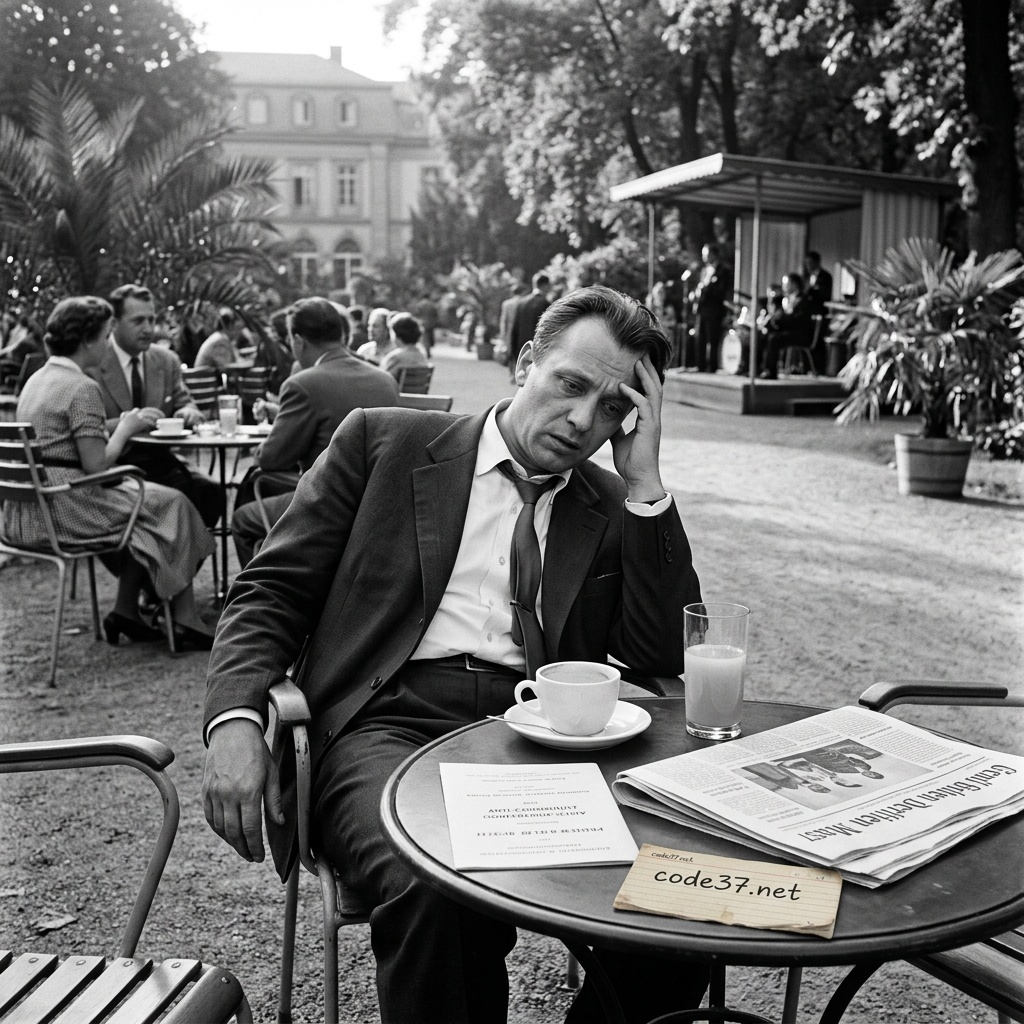
One of the secret services’ favorite methods for eliminating unwanted enemies is through poison. The KGB, in particular, was notorious for its poisonings; its lethal substances had been developed since 1921 in a special laboratory, known as “The Chamber,” to enable murders without leaving a trace. Often, the poisons were undetectable and posed a major mystery for doctors and investigators. One victim of such a poisoning was Nikolai Khokhlov, a former KGB captain who, in 1954, was tasked with killing the Soviet exile politician Georgy Okolovich in Frankfurt am Main using a cigarette pack laced with poison gas. But instead of carrying out the order, Khokhlov switched sides and defected to the Americans. This led to him himself becoming a target of the KGB three years later. Unaware of the danger, he was drinking his coffee one September day in 1957 at the Palmengarten in Frankfurt am Main’s Westend district, listening to the stage program. He was attending a conference of anti-communists there. But suddenly, Chochlov became very tired and could not even finish the glass of grapefruit juice he had ordered. He returned to his guesthouse, where he collapsed. At first, the doctors assumed it was gastritis. What was strange, however, was that Chochlov developed bruises all over his body, his shoulders and arms turned copper-colored, and his hair began to fall out. What was wrong with Chochlov? Based on these symptoms, the doctors now suspected poisoning. But what had poisoned Chochlov? The doctors puzzled over this for weeks until they discovered that Chochlov had been poisoned with radioactive thallium; he was saved after a year of intensive treatment. Nikolai Chochlov had been lucky once again and managed to cheat death just in the nick of time.