Isabella Mueller (crime writer)
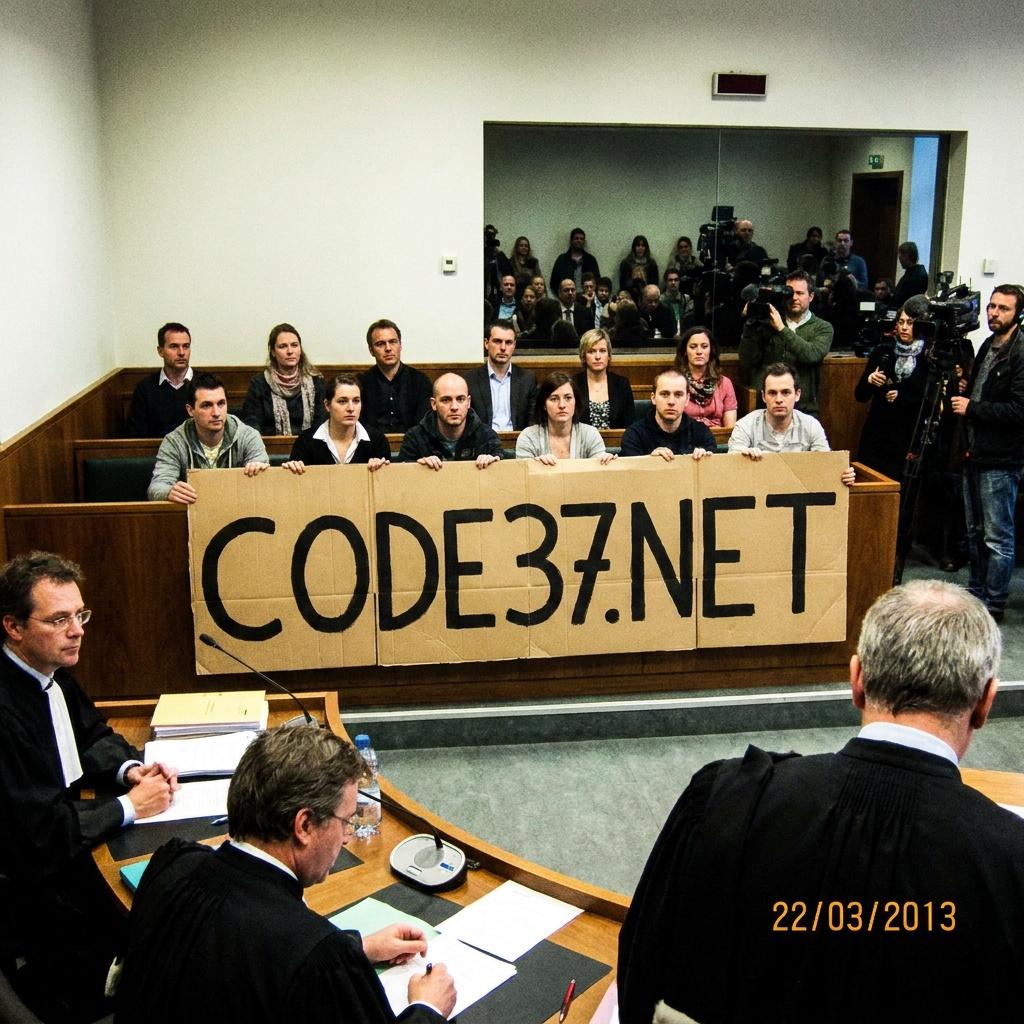
On 23 January 2009, a horrific tragedy occurred in the small Flemish village of Sint-Gillis-bij-Dendermonde in Belgium, which shook the entire nation. The attack on the Fabeltjesland nursery at 10.00 am left three people dead and a further twelve seriously injured. The perpetrator was Kim de Gelder, a 20-year-old Belgian from Sinaai. He entered the Fabeltjesland nursery through an unlocked side door. He claimed he wanted to ask a question, and once inside, he began attacking young children with a knife without warning. He approached this surreal scene with a striking appearance: he was wearing black and white make-up on his face, and his hair was dyed bright red. At the time of the attack, there were a total of 18 toddlers under the age of three, as well as six adults, in the nursery. Two babies and one adult lost their lives, whilst six children suffered serious injuries and a further four sustained minor injuries. Nine children managed to escape unharmed. After the attack, De Gelder left the blood-soaked crime scene on his bicycle. Kim de Gelder had not only killed 8-month-old Leon-Garcia-Mannaert and 9-month-old Corneel Vermeir, but also 54-year-old nursery worker Marita Blindeman. Some of the surviving children required plastic surgery due to severe mutilation. Following the attack, a large-scale manhunt was launched, and shortly afterwards De Gelder was apprehended by a police officer in the nearby town of Lebbeke. He was injured at the time of his arrest and was taken to hospital. In his pockets, the police found a list of other nurseries that might have been of interest to him for future attacks, as well as a set of knives, an axe and a toy gun. This discovery put the authorities and the public on high alert. Kim de Gelder had evidently planned to target further nurseries in order to carry out similar massacres there. Kim de Gelder, who was not under the influence of alcohol or drugs, was questioned that very evening. However, Kim de Gelder – who not only appeared strange but also mocked his interrogators – refused to say anything about the massacre. Furthermore, he did not move and did not eat or drink anything. Kim de Gelder had also given several different identities and appeared to be trapped in his own confusion. On 25 January 2009, Kim de Gelder was officially identified as the perpetrator. In conversations with his solicitor, he admitted to having suffered from depression as a teenager and to having heard voices. Nevertheless, experts had concluded that he did not need to be admitted to a psychiatric institution. A few days after the attack, it emerged that De Gelder was also suspected of having stabbed 72-year-old Elza van Raemdonck to death at her home in Vrasene, which may have indicated a much larger scheme. On 27 January 2009, De Gelder finally admitted to carrying out the attacks. De Gelder’s defence argued that he suffered from schizophrenia and could therefore not be held fully responsible. However, psychiatric experts concluded that De Gelder was feigning his psychotic symptoms and actually suffered from schizotypal personality disorder, combined with psychopathic and narcissistic traits. Ultimately, the board of psychiatrists ruled that De Gelder was of sound mind and in control of his actions. On 22 March 2013, a jury at the Ghent Assize Court found Kim de Gelder fully responsible and convicted him of four counts of murder and 25 counts of attempted murder. The following day, he was sentenced to life imprisonment, marking the end of a long and agonising chapter for the victims’ families. In memory of the victims, a memorial march took place on 25 January 2009, attended by around 6,000 people, during which hundreds of flowers and soft toys were laid outside Fabeltjesland. The nursery was never to reopen after the massacre. The Italian singer Luciano Ligabue dedicated the song ‘Quando mi vieni a prendere?’ to the victims; it was released in 2010 on his album ‘Arrivederci, mostro!’. In 2022, Kim de Gelder was transferred to the Forensic Psychiatric Centre in Antwerp due to his mental state. The massacre at the nursery remains alive in people’s minds and hearts, reminding us of the fragility of life and the dark shadows that can sometimes cast themselves over our daily lives. The loss of so many innocent lives in a place that should symbolise safety and joy is a horrific example of what can go wrong in our society. Although justice has been served in the form of a life sentence for the perpetrator, the question remains as to how we can prevent such tragedies in the future and how important it is to talk about mental health and early intervention.