Isabella Mueller (crime writer)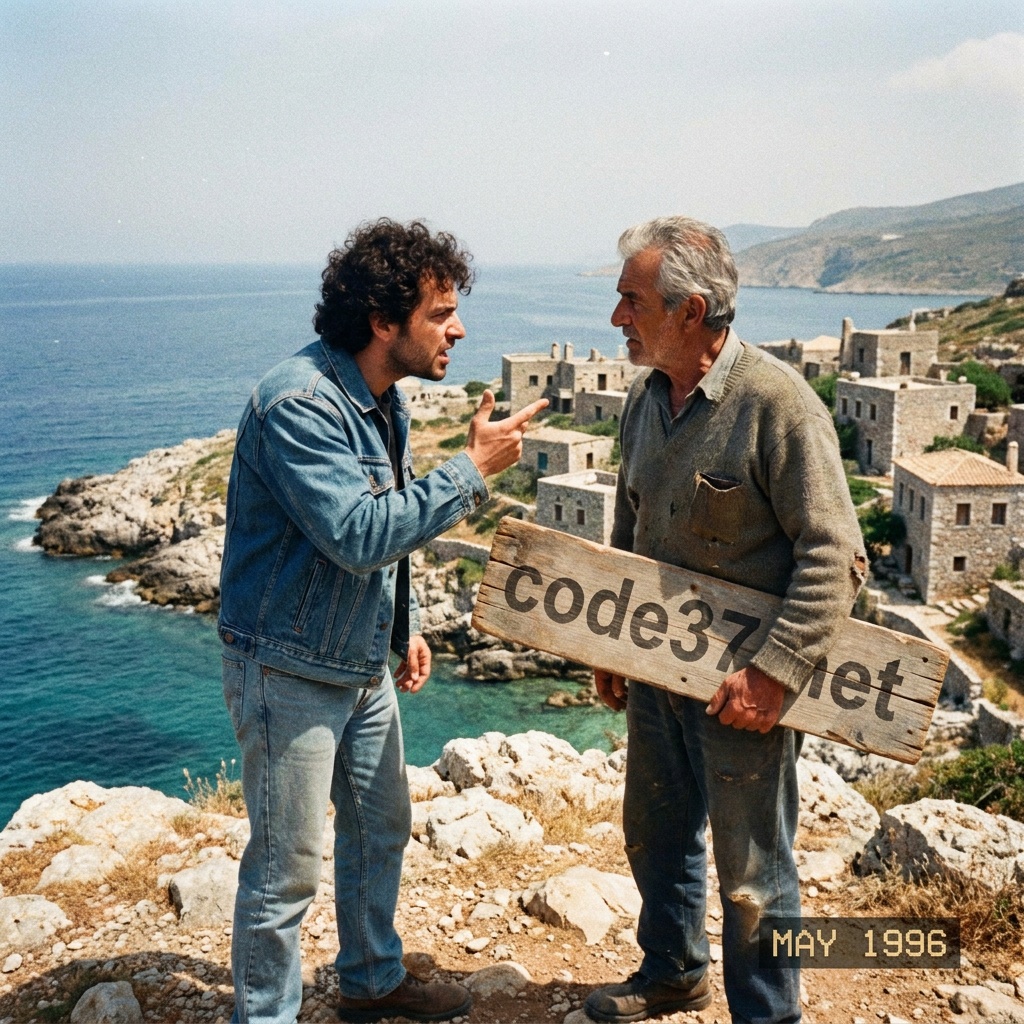
There are murders that are sometimes difficult to comprehend, as they occur without any clearly identifiable motive. One such series of murders, which ranks among the worst massacres in Greek criminal history, is that committed by 24-year-old law student Theophilos Sehidis, who could easily pass for Hannibal Lecter’s younger brother. This highly intelligent man, who was studying at the Faculty of Law at the University of Thrace, slaughtered his entire family in their home on the Aegean island of Thassos during the night of 19–20 May 1996. But why? Theophilos answered this question by claiming that he had merely been defending himself, as his family had conspired against him and wanted to kill him. Theophilos was mentally ill, something no one – not even within the family – had ever suspected. It all began on that fateful day with an argument between Theophilos and his 58-year-old uncle Vasilis, whom, in a fit of rage, he simply pushed off the cliff. To spare him further pain, he simply beheaded him. He hid his uncle’s body behind a bush. Afterwards, he first bought himself a new shirt and a rifle. With this, he returned to the house, where he shot his 55-year-old father Dimitris, then his 48-year-old mother Marie, and finally his 27-year-old sister Emmy. He then lived in the house with the bodies for several days until he decapitated them and removed their brains. He placed these in the fridge so that he could examine them later. Throughout the whole procedure, he listened to Tchaikovsky. When his 72-year-old grandmother, Ermioni, turned up unexpectedly, he killed her too. Theofilos dismembered all the bodies, except for his uncle’s, using a chainsaw. He then placed the remains in black bin bags, which he disposed of at the Kavala rubbish tip. When Eleni, his uncle’s wife, who lived in Belgium, became suspicious about her husband’s whereabouts, she reported him missing to the Belgian police. Theofilos reassured her by insisting that his family were alive and well in Germany. This went well for some time. But then, on 21 July 1996, Theofilos first came to the attention of the police. He had been stopped at a roadside check. When the Greek police discovered the rifle in Theofilos’s possession, they arrested him for unlawful possession of a firearm. He was sentenced to 10 months’ imprisonment and a fine of 700,000 drachmas. However, Theophilos was released as he had no previous convictions. When another month had passed without any sign of life from his family, the police became suspicious. Something was not right, which is why Theophilos was summoned to the police station for questioning and was interrogated for hours. Eventually, Theophilos broke down and confessed to the murders. In all seriousness, he told the police that he had acted in self-defence, as all his family members had threatened him with a knife in order to kill him. The police then searched the house in Thassos, which resembled a battlefield. There were splatters of dried blood everywhere. Remnants of brain matter were stuck to the walls, the bathrooms and the ceilings. It was striking that Theophilos had written the word ‘mistake’ on one wall. When asked by a reporter what this meant, Theophilos replied: ‘Mistake means mistake!’ The gruesome crime dominated the front pages of Greek daily newspapers for weeks. Private television stations reported live on the murders almost daily and filmed the investigating police officers. Theophilos, who was later diagnosed with schizophrenia, was sentenced to life imprisonment on 20 June 1997 for five counts of murder. Due to his mental state, he was transferred to the psychiatric clinic at Korydallos Prison. There, he spent his time reading and listening to classical music. However, Theophilos never showed any remorse. On 12 February 2019, Theophilos died there of a heart attack. At the time, Theophilos was 47 years old and had already spent 21 years in prison. Throughout his entire imprisonment, he had never received any visitors.