Isabella Mueller (crime writer)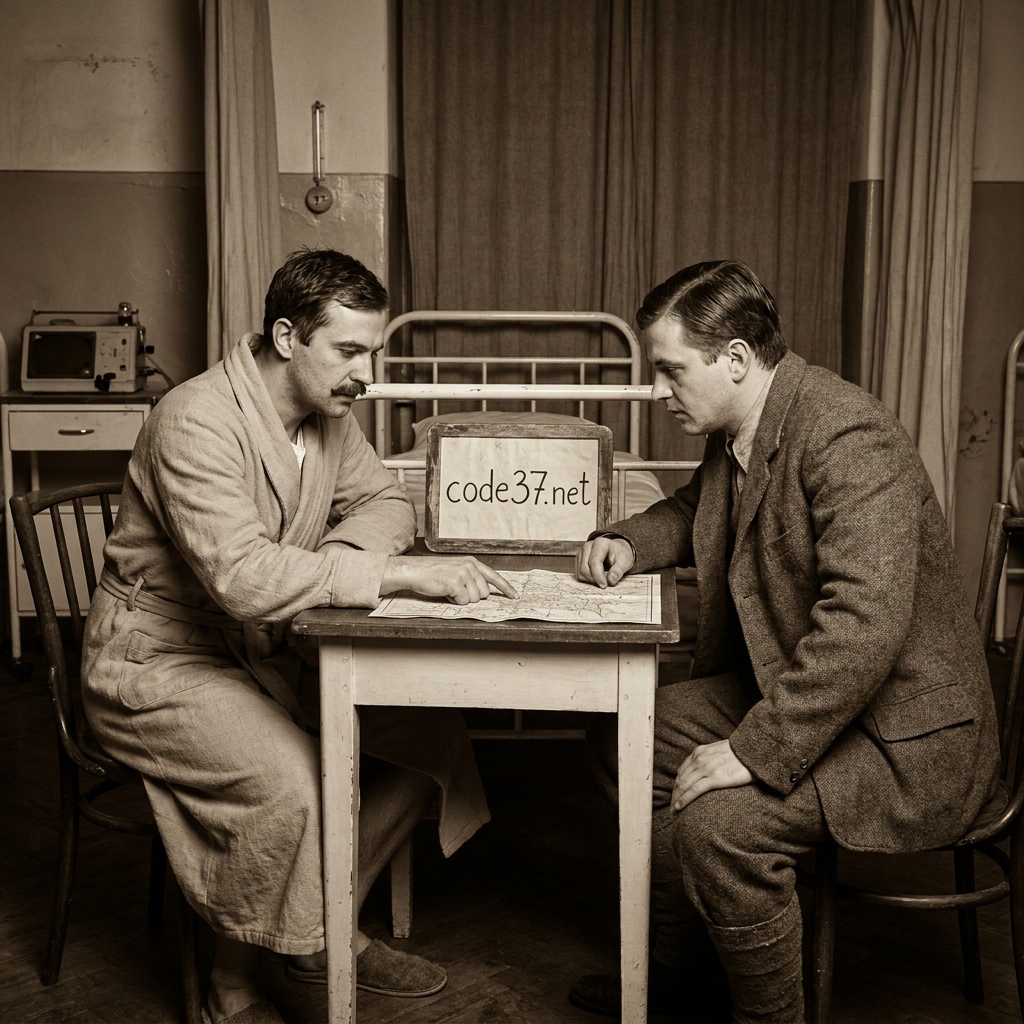
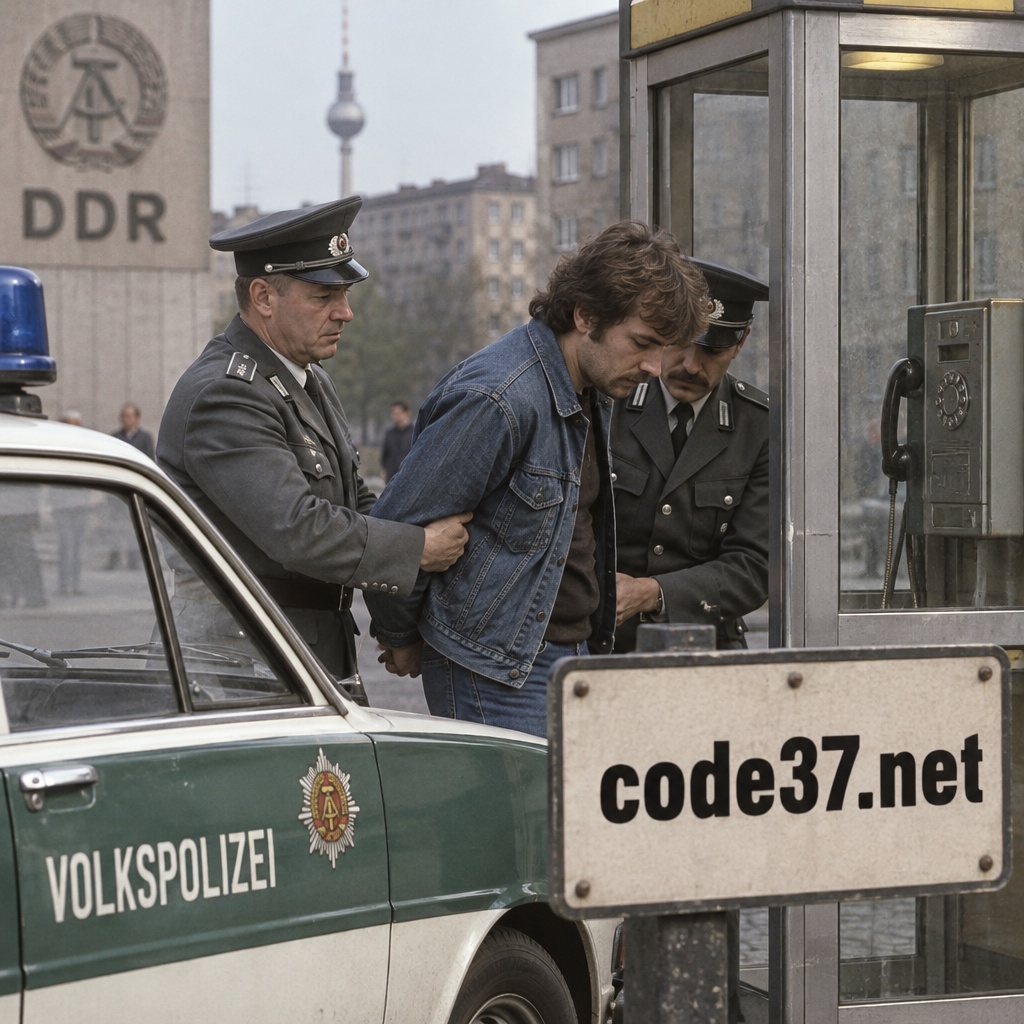
Martin Lecián, born on 31 October 1900 in Ostrožské Předměstí, was a Czech criminal and serial killer whose life was marked by violence and crime. His case caused a huge stir not only in the Czech Republic but also internationally. One article after another reported on his crimes, and he became, posthumously, a symbol of the dark side of human nature. But how did he come to achieve this terrible notoriety? Lecián grew up in a reformatory, a fact that was to shape his later criminal career. Until the age of 18, he was denied access to ‘normal’ society. Upon his release, he immediately began engaging in criminal activities. His first run-ins with the law took place at the district court in Uherské Hradiště, where he was convicted twice. Even at that time, it was already apparent that he had a talent for crime. During his military service, he deserted five times. Following his final act of desertion, which brought him into contact with the notoriously criminal Maria Křenovská, he turned to a life of robbery. Lecián and Maria became a sort of Bonnie and Clyde, specialising in the theft of cash registers, which proved to be a lucrative source of quick cash. On 10 December 1926, whilst staying in a hospital in Olomouc, he met the criminal Szekely. This encounter marked the beginning of his bloody spate of murders. Lecián’s rise to legend is inextricably linked to his horrific deeds. On 19 January 1927, he committed his first murder when he shot and killed the municipal policeman Rudolf Hanák, who had interrupted him during a burglary. Further murders followed, displaying unprecedented brutality. His second murder took place when he attempted to kill a shopkeeper, Poledňák, and a month later he killed the security guard František Marčík. The shootings dragged on for months and were documented in detail in the newspapers, often with a certain glorification of his behaviour. Lecián quickly became something of a legend, embodying both courage and danger, which further enhanced his standing amongst the population. This recognition was paradoxical, as it coincided with his continued descent into acts of violence. On 8 March 1927, Lecián shot and killed the Chetnik guard Antonín Stuchlé, who had recently got married. This triggered a massive manhunt. In the weeks that followed, Lecián and the police engaged in repeated firefights, and his arrests and subsequent attempts to escape from the gendarmerie became legendary. Despite his enormous fame – citizens wrote songs about his ‘heroic deeds’ – his flight came to an end on 23 April 1927, when he was captured in Nové Bohumín. Following a four-month trial characterised by a wealth of evidence and witness statements, he was sentenced to death on 3 September 1927. Lecián’s trial attracted considerable public interest. Whilst the media reported on his offences, there was a certain fascination with his resilience and courage. On 25 September 1927, he made another escape attempt, during which he killed a guard. Nevertheless, the authorities managed to recapture him. His appeal for a pardon was rejected by the Czechoslovak President, which ultimately led to his execution on 6 October 1927. The execution took place in the courtyard of the Olomouc military prison. For over 27 years, the executioner Leopold Wohlschlager had carried out executions for the territory of the Bohemian Crown. Lecián’s death marked the end of his career. Lecián’s death did not bring an end to the violence in the region. Six years later, František Ondráš emerged on the scene, describing himself as Lecián’s ‘heir’. Noting that Lecián had become famous, he claimed that he would be even worse. Ondráš killed two gendarmes, but was himself treacherously murdered by his own confidants. In the years that followed, Jozef Prekop, a lance corporal from Červený Kamenő, came into the limelight, also attempting to take up Lecián’s legacy. Yet his endeavour, too, came to an abrupt end when he was wounded and captured whilst pleading for medical assistance. The life and death of Martin Lecián remain a fascinating subject of criminological research and an example of the complexity of human behaviour. The media coverage of him illustrates how society reacts to extremely deviant behaviour: with admiring amazement, but also with considerable horror. His name may have featured in the history books for more than a century, yet the influence of his life on the collective consciousness endures. Whether as a symbol of evil or as a tragic figure, Lecián will continue to be studied, analysed and discussed.