Isabella Mueller (crime writer)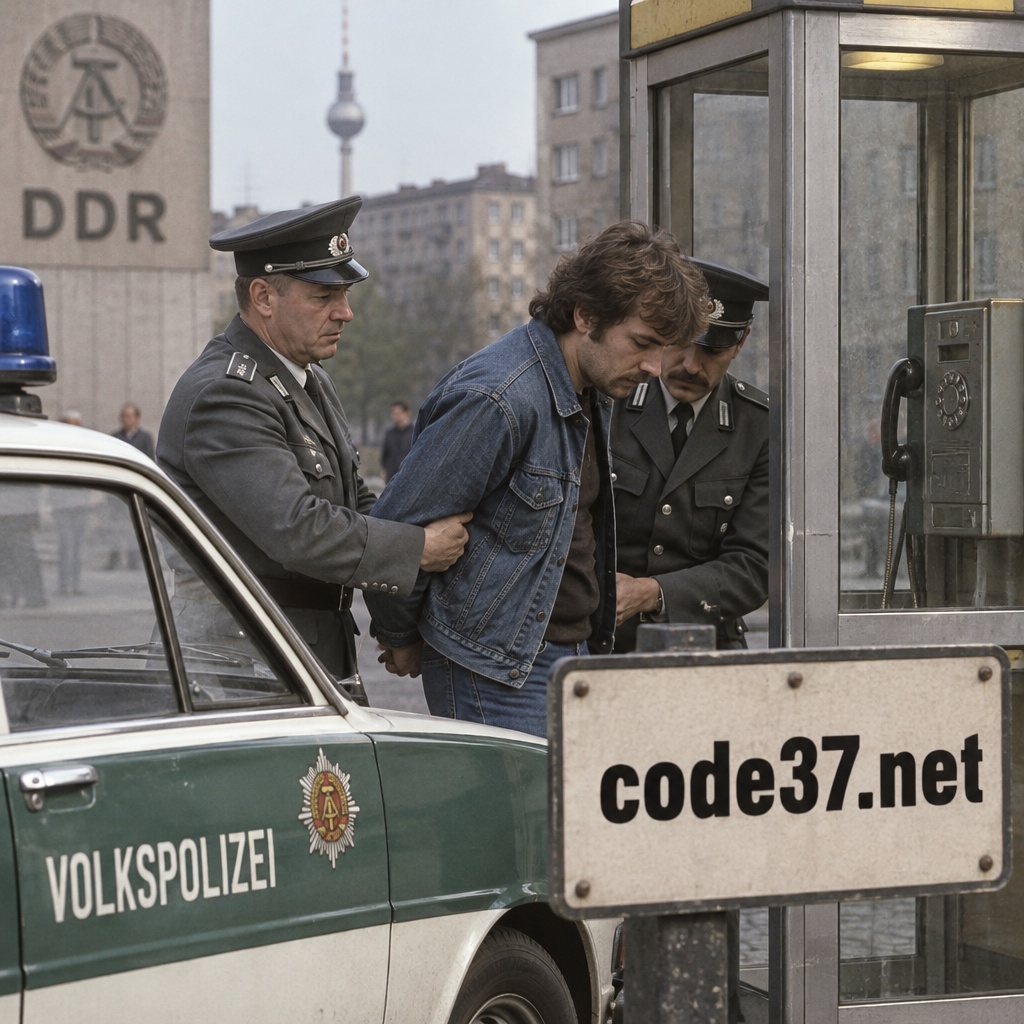
Berlin-Marzahn, a district in the east of Berlin, was plunged into fear and terror between 1985 and 1987 by a series of shocking telephone calls. These calls came from an anonymous perpetrator who incited children to commit lethal acts and sexually harassed women. The case attracted little public attention at the time because the GDR authorities suppressed media coverage. It was only after the fall of the Berlin Wall that the harrowing details came to light through media reports. This article sheds light on the terrifying story of the so-called ‘Marzahn telephone perpetrator’ and how the police eventually apprehended him. In late 1985, an unimaginable series of telephone calls began, causing panic amongst the residents of Berlin-Marzahn. An anonymous caller, later identified as the 20-year-old construction machine operator Thomas S., specifically targeted younger women and children as his victims. Initially, his calls were limited to sexual harassment, during which he posed as a member of staff from the popular science television programme Fernseh-Urania and coaxed intimate information from his female victims. But the situation soon escalated, as the caller began preying on innocent children, instructing them to inflict violence on themselves or others. One of the most appalling stories to emerge from this period is that of a 13-year-old schoolboy from Marzahn. One evening, the telephone rang and the boy answered it. On the other end of the line was a male voice who, under threat, ordered him to fetch a pot of water. Confused but compliant, Tobias obeyed. The caller then instructed him to fetch an electric razor, plug it into the socket and place the exposed cable into the pot of water. Tobias was told to touch the water when it started to hum. Fortunately, Tobias hesitated and never put his hand in the water. This eerie scene later featured in the 1991 ‘Polizeiruf’ episode ‘Mit dem Anruf kommt der Tod’ (‘Death Comes with the Call’), whose script was based on real events. The calls did not stop. The perpetrator repeatedly rang families whilst the parents were not at home. He forced children aged between six and 13 to carry out dangerous experiments that could easily have proved fatal. A nine-year-old boy was threatened by the perpetrator to hang his sister, otherwise he would kill her. The distraught boy followed the instructions but failed because the rope snapped. The caller then ordered him to drown his sister in the bath or throw her out of the window. Fortunately, the boy did not comply with any further demands. The residents of Marzahn were on high alert. Families contacted the People’s Police after their children reported the sinister calls. Investigators determined that the calls were likely made from public telephone boxes, based on the background noises. From mid-February 1987, the police monitored almost all public telephone boxes in the district and set up trap lines. They worked closely with the Ministry for State Security to apprehend the perpetrator. On 27 April 1987, the investigators finally made a breakthrough. They caught Thomas S. red-handed in a payphone and arrested him. During questioning, Thomas S. confessed to having made around 150 harassing calls over a period of one and a half years, which had put both women and children in mortal danger. Voice analysis unequivocally confirmed that he was the perpetrator they were seeking. In the spring of 1988, the trial of Thomas S. took place. The defendant pleaded guilty and expressed remorse in court. Nevertheless, he was sentenced to 13 years’ imprisonment for multiple counts of attempted murder, sexual harassment and other serious offences. The severity of the sentence reflected the gravity of his crimes and the immense fear he had instilled in the community. Interestingly, the case was not made public during the GDR era. The media did not report on the shocking calls, which meant that the case became known amongst the population primarily through word of mouth and rumours. After German reunification, this changed, and the details of the case found their way into various newspaper articles and television documentaries. The ‘Marzahn Telephone Perpetrator’ thus became a household name, yet the memories of those terrible experiences remained vivid for those affected. The case of the anonymous caller from Berlin-Marzahn is a dark chapter in the city’s history. It illustrates how a single perpetrator can terrorise an entire community by misusing modern communication technologies. The determined efforts of the police and the support of the community ultimately led to the perpetrator’s arrest and brought his reign of terror to an end. Today, we remember these events not only as a warning, but also as a testament to the resilience and courage of the families affected and the investigators who put an end to this nightmare. The ‘White Tiger’ case demonstrates that this issue remains relevant to this day. This acronym was used by a 20-year-old man who was a member of the online paedophile group ‘764’, which pressured young people on the internet into committing suicide and engaging in sexual acts. The founder of this online community is B. Cadenhead, who was just 15 years old at the time and, from his bedroom, built up this sadistic network that virtually sexually abused children and even drove one boy to take his own life. Cadenhead, now 19, is serving an 80-year prison sentence in the USA. Nevertheless, the network, which operates worldwide, continues to function.