Isabella Mueller (crime writer)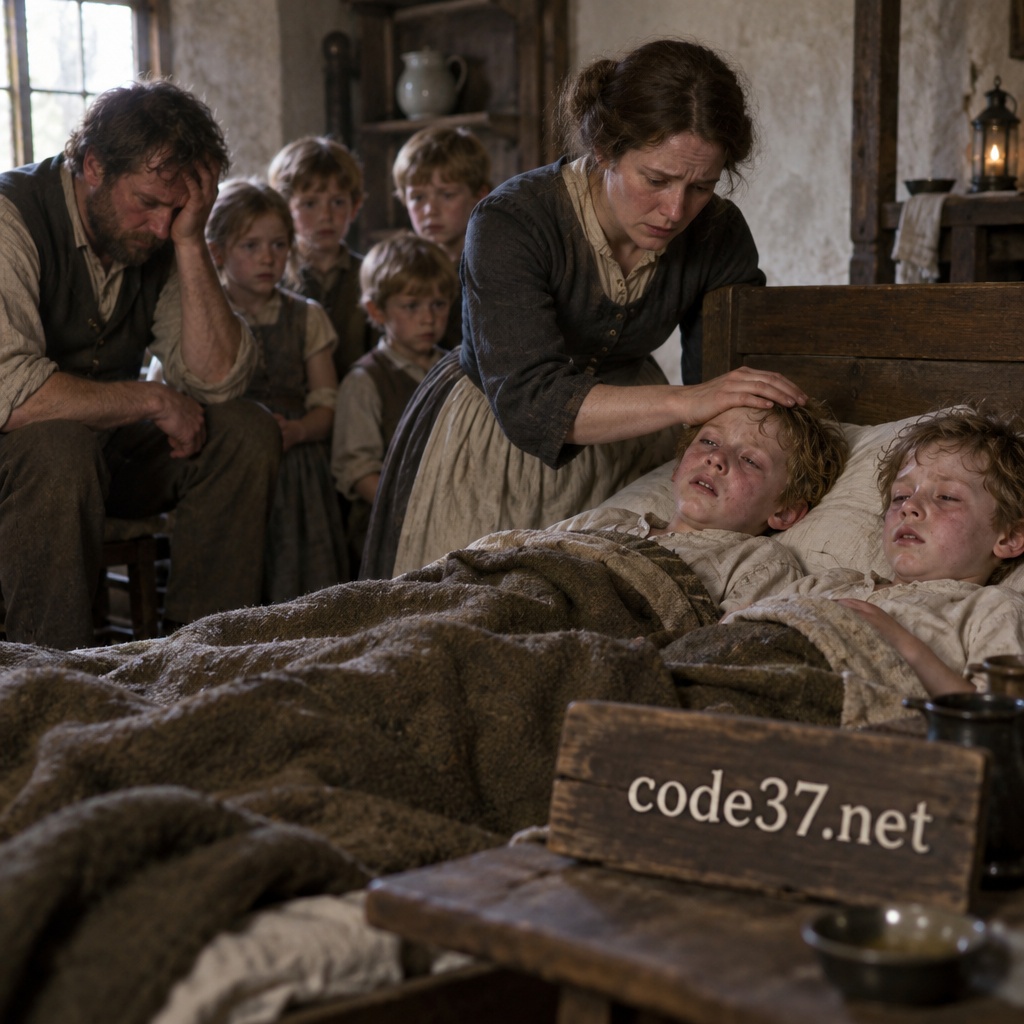
In the gloomy streets of Victorian Essex lived a woman whose name still sends shivers down the spine today: Sarah Chesham, better known as ‘Sally Arsenic’. Her story is a chilling testament to the dark side of human nature and the deadly power of arsenic in the 19th century. Until 1851, this white powder was not only freely available but also extremely cheap – costing as little as 1 pence – and, moreover, the symptoms, such as vomiting, diarrhoea and stomach cramps, resembled those of cholera or gastroenteritis, which is why murder by arsenic poisoning became epidemic in Victorian England. Furthermore, until 1836 there was no reliable method for detecting arsenic in this tasteless, odourless and water-soluble poison, which made it an extremely popular murder weapon. One person who also chose this murder weapon was Sarah Chesham, who was born in Clavering on 9 July 1809 as Sarah Parker. Sarah initially led an ordinary life. At the age of 19, she married Richard Chesham, a simple farm labourer. At that time, Sarah was already pregnant with their daughter Harriet. Sarah went on to have five more sons: Philip, John, Joseph, James and George. This large brood of children posed a major financial challenge for Richard Chesham, who earned only a small wage as a farm labourer. In January 1845, the first tragedy struck. Two of Sarah’s sons, Joseph and James, suddenly fell ill with alarming symptoms. They suffered from vomiting and excruciating stomach pains. Both children died in quick succession. The village doctor, Dr Hawkes, diagnosed cholera. A common cause of death in those days. Yet the villagers were already whispering: was it really cholera, or was there something darker behind it? The next suspicious death followed in 1846. Solomon Taylor, the illegitimate child of a neighbour, died after eating rice pudding and apple turnovers that Sarah had prepared. This was the turning point. The authorities were called in, and the bodies of James and Joseph were exhumed. The renowned toxicologist Alfred Swaine Taylor found lethal amounts of arsenic in their stomachs. In 1847, Sarah stood trial. Despite the damning evidence, she was acquitted of all three deaths. A verdict that shocked the public. The Times described her as a ‘recognised and notorious murderer’. In the village, she became an outcast; people shouted ‘Sally Arsenic!’ after her. The cruel finale began in 1850 with the death of Sarah’s husband, Richard. He died after a long battle with tuberculosis, yet arsenic was also found in his body. Sarah had nursed him herself throughout his illness, feeding him milk thickened with rice and flour. No one else was allowed to look after him. The police found a sack of rice in her house that had been laced with an alarming amount of arsenic – so much that it was visible to the naked eye. A witness, Hannah Phillips, also reported that Sarah had offered to poison her husband as well. Sarah was charged with attempted murder and found guilty. On 25 March 1851, her life came to an end on the gallows at Chelmsford, carried out by the notorious executioner William Calcraft in front of 6,000 to 7,000 onlookers. She maintained her innocence right to the end, but the jury were convinced: she had slowly poisoned her husband to finally break his body, which had been weakened by tuberculosis. The ‘Sally Arsenic’ case had far-reaching consequences. It led to the passing of the ‘Sale of Arsenic Regulation Bill’ of 1851, which strictly regulated the sale of arsenic. The era of arsenic murders in England was drawing to a close. Sarah Chesham was the last woman to be publicly hanged in Great Britain. Her case epitomises a grim era in which poison was the weapon of choice for desperate women. In the ten years from 1843 to 1852, 23 women were hanged in England and Wales – 17 of them were poisoners. The story of ‘Sally Arsenic’ remains a chilling testament to the Victorian era. It reminds us how readily available lethal substances and social despair can form a deadly combination. To this day, Sarah Chesham’s grave lies in Clavering Cemetery; she was permitted to be buried there because she had been convicted not of murder but of wilful administration of poison. Sarah Chesham, alias “Sally Arsenic”, remains one of the darkest chapters in British criminal history.