Isabella Mueller (crime writer)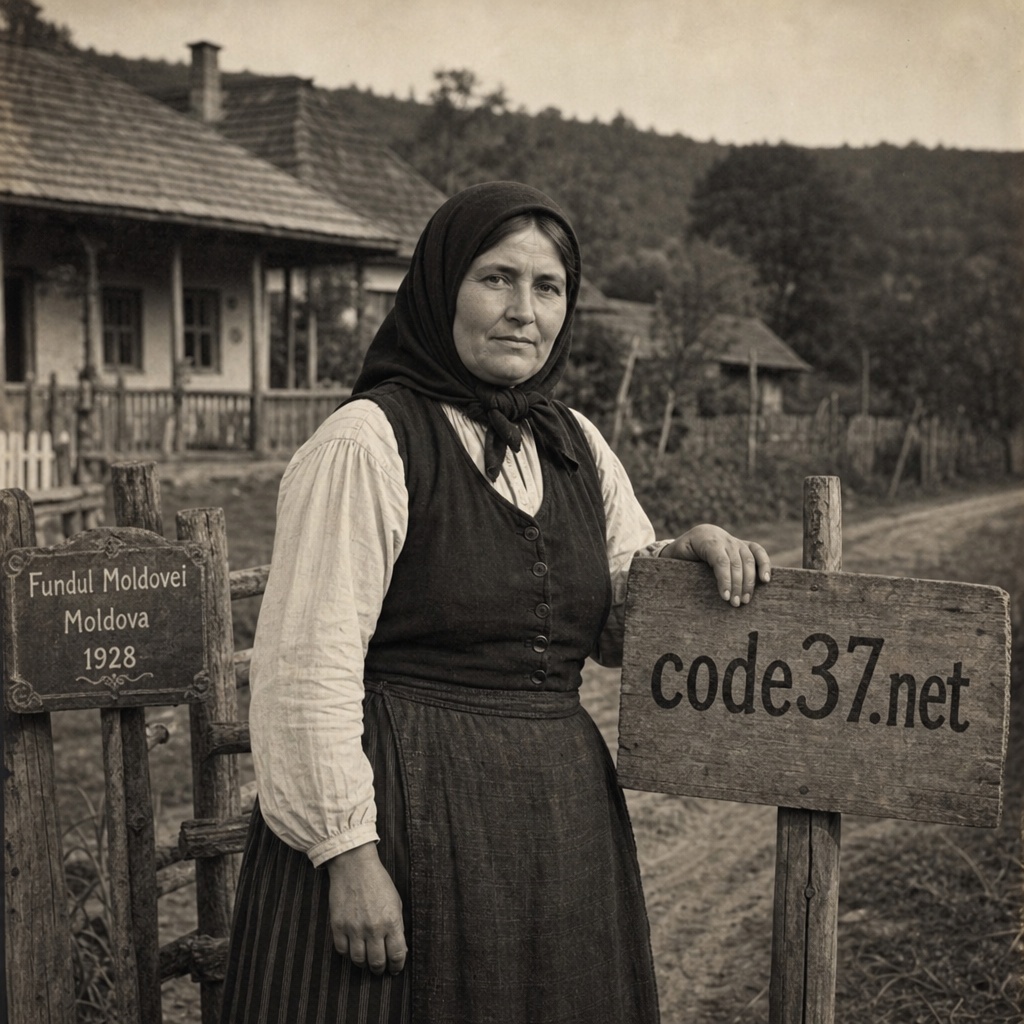
In 1928, a horrific crime shook the Bukovina region of Moldova. In a place known for its idyllic countryside lived a woman named Axenia Varlan, or Maria Varlane, who soon became known as the ‘Cannibal of Bukovina’. She left a trail of terror and horror that has gone down in history. Axenia, a 45-year-old farmer’s daughter from the village of Fundul Moldovei, lived a life of relative seclusion. Within the community, she presented herself as a devout and respectable widowed farmer’s wife, whilst in reality a dark nature simmered within her. According to reports, between 1924 and 1928 she murdered at least 13 people, including her own children and closest relatives. The horrific discovery began with the hiring of a new maid named Rachira Haisan. Whilst working in the stable, she found a decomposed human hand in a dung heap. When she informed Axenia of this, she was immediately silenced with threats. However, Rachira soon began telling people in the village about her strange mistress. This led Axenia to lure the young maid to a remote hut on 10 June 1928, where she struck her on the head with a hoe. But Rachira survived the treacherous assassination attempt and was found by a farm labourer, who took her to hospital. There, she spoke not only of the hand she had found, but also of Axenia’s attempt to murder her. This led to an immediate investigation into Axenia, which brought horrifying facts to light. During a search of her home, human remains were found, confirming the suspicion that Axenia was a serial killer. Axenia had amassed a gruesome collection of trophies. She collected the body parts of her victims. The ears, fingers and other body parts had come to represent mementos for her. These gruesome trophies served as reminders of the power she held over her victims and satisfied her morbid fantasies. Within a period of four years, Axenia had murdered not only her four children, but also her mother, her father, her mother-in-law, her brother-in-law and a sister, as well as several servants. Following her arrest, Axenia attempted to take her own life, but showed no real remorse for the atrocities she had committed. Her trial began on 26 October 1929 in Kimpolung before the District Council and attracted attention across Europe. The military was deployed to protect Axenia from the angry crowd. Over 50 witnesses were questioned, including medical and psychiatric experts. The press pounced on the case of the female serial killer, with over 40 journalists attending the trial. The prosecution made it clear that Axenia had committed the murders out of greed and a thirst for power. The evidence was overwhelming, and it quickly became clear that Axenia was no ordinary person. Eyewitnesses described a woman trapped in a state somewhere between denial and madness. Her cries of “I am a poor woman!” echoed through the courtroom, making it hard to believe that this was the same person who had taken so many lives. Some of the defence lawyers argued that, given her actions, Axenia could not be of sound mind and requested that she be transferred to a psychiatric institution. However, Axenia was sentenced to life’s hard labour; from then on, as a prisoner, she wove carpets and sewed clothes for her fellow inmates. The ‘Cannibal of Bukovina’, as Axenia was known – who had once said, ‘I love the smell of burnt flesh mingled with the scent of fir trees!’ – was a hard-working prisoner who kept to herself. Yet news of her gruesome spate of murders spread rapidly, and her story was not confined to the borders of Moldova. At the time, reporting on the crimes of a woman who had wiped out her entire family was a taboo subject. Unlike male serial killers, who frequently made the headlines, a female perpetrator was a far more shocking concept for society. The questions raised by the case, however, were profound. How could someone regarded as a loving mother and conscientious citizen become a cold-blooded murderer? How often do such atrocities lurk behind the doors of our own neighbourhoods? The story of Axenia Varlan remains a dark chapter in criminal history. Her murders and the subsequent trial not only provoke horror but also raise questions about the nature of evil and the capacity to commit the unimaginable. Axenia will be remembered as one of the most abhorrent figures in Moldovan history, and the account of her atrocities remains a cautionary tale for humanity.