Isabella Mueller (crime writer)
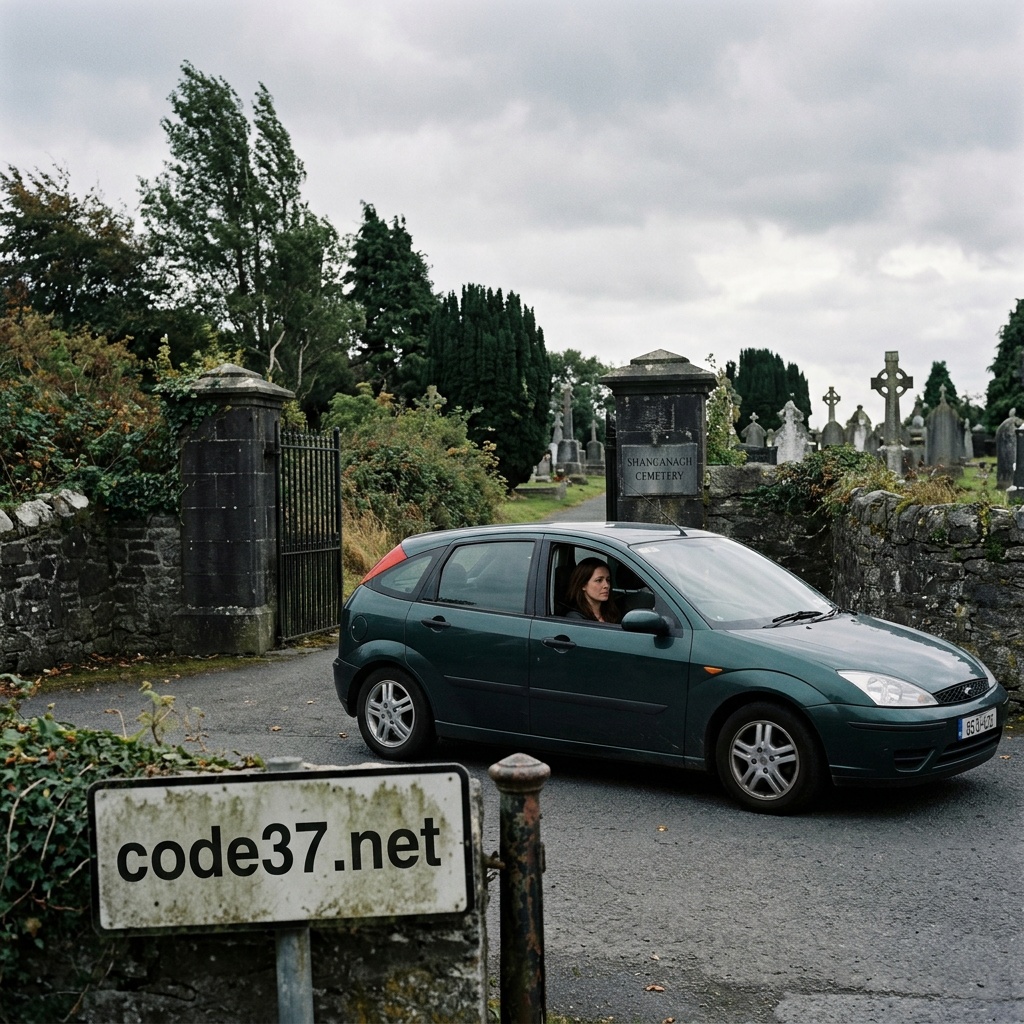
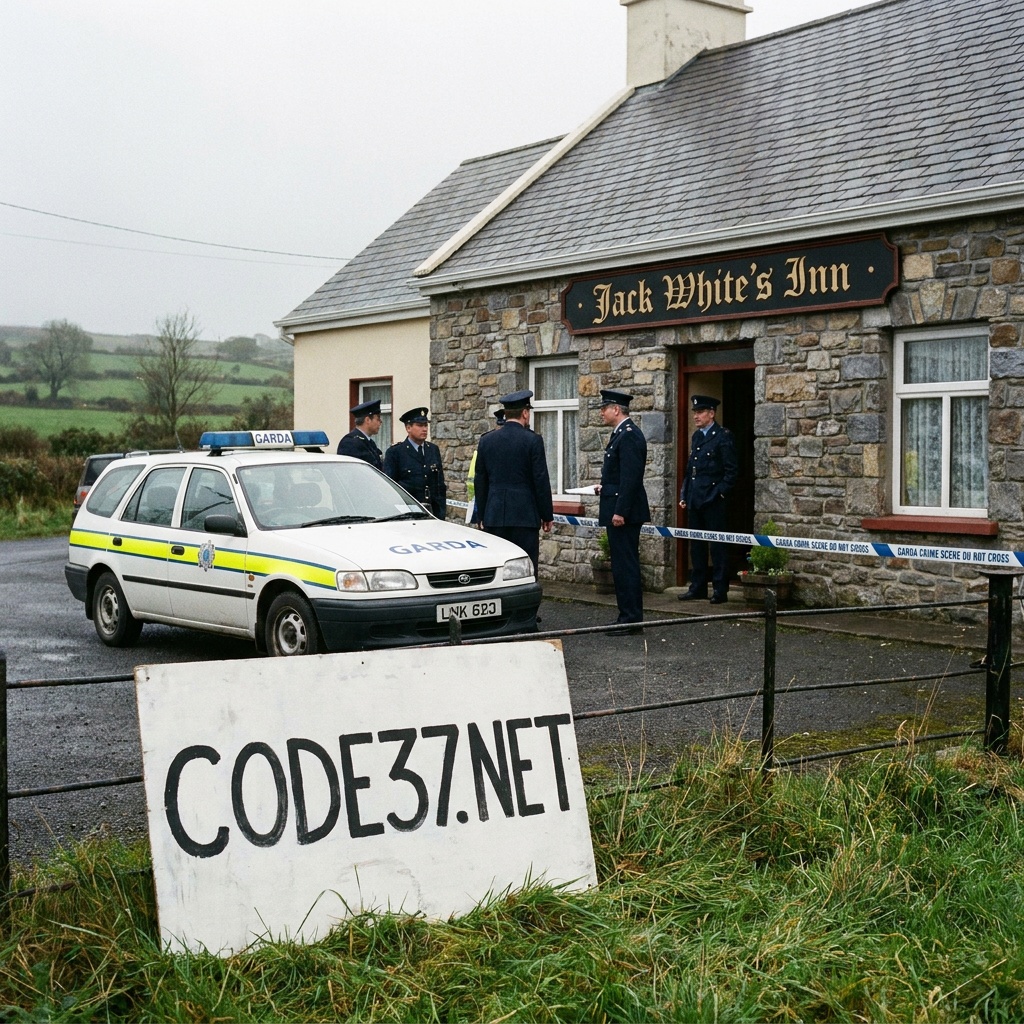
The murder of Elaine O’Hara was an almost perfect crime. It took place on 22 August 2012, when 36-year-old Elaine O’Hara from Dublin drove her car to the secluded Shanganagh Cemetery and vanished without a trace. When her father Frank, who was Elaine’s closest relative, heard nothing from his daughter despite her having sent a text message, and she also failed to turn up for her appointment with his partner Sheila Hawkins to help out at the ‘Tall Ships Race’ regatta festival, he reported her missing to the police on 23 August 2012. The police followed up on the missing person report and found Elaine’s car abandoned outside Shanganagh Cemetery. The dark clouds gathering over Dublin seemed to portend something ominous. Elaine, who had a troubled past, including stays in psychiatric institutions, appeared to be becoming part of a dark mystery. Initially, the investigators assumed that Elaine had taken her own life. But the true horror was yet to come to light. Elaine was born on St Patrick’s Day 1976 and grew up as the eldest of four children of Frank and Eileen O’Hara in a well-to-do family in Killiney, a southern suburb of Dublin. She had struggled with mental health issues from a young age. At the age of 16, Elaine was admitted to a psychiatric ward for the first time, with many more admissions to follow. Following the sudden death of her mother, Eileen, in 2002, her condition deteriorated rapidly. When her psychiatrist, Professor Anthony Clare, also died in 2007, Elaine’s grief and mental state made her an easy target for manipulative people. Elaine also lacked any financial stability in her life; she worked part-time as a childminder and at the local newsagent’s, whilst training as a Montessori teacher in the evenings. In her spare time, Elaine had been interested in sadomasochistic practices since her youth, taking on the submissive role. A dark chapter began in 2007 when she met a married man on online fetish forums, known by the pseudonym ‘architect72’. The two began a BDSM relationship that became increasingly dangerous. Elaine, who already had a tendency towards self-harm and suicidal thoughts, was drawn into a spiral of fear and violence. More than 13 months had passed since Elaine’s disappearance when, on 10 September 2013, three anglers discovered a bag containing incriminating items in a remote part of the Vartry Reservoir. It contained handcuffs, restraints and other suspicious items. The discovery set in motion a chilling chain of events that would reveal the truth about Elaine’s fate. The angler, William Fegan, took the find to Roundwood police station, where Garda O’Donoghue took charge of the case. On 16 September, she returned to the site of the discovery, where, alongside a knife and fetish items, she found a set of keys with a supermarket loyalty card belonging to Elaine. The Water Police then searched the reservoir, finding a rucksack and two Nokia mobile phones. Yet there was still no trace of Elaine. It was not until late September 2013, when a dog trainer followed her dogs into the woods near the Dublin Mountains and made a gruesome discovery of bone fragments and clothing that were clearly human, that light was shed on Elaine’s disappearance. Forensic examinations soon confirmed that the remains were those of Elaine O’Hara. The police were now faced with a murder investigation. They relied on state-of-the-art technology and searched Elaine’s flat for digital evidence. On her laptop, they found over 2,600 messages between Elaine and a mysterious man. It turned out that this man was none other than the renowned architect Graham Dwyer, who was leading a double life as a sadistic sex offender. Graham Dwyer, aged 42, was regarded as a respected lawyer who was married and the father of two children. Dwyer had worked his way up from a working-class background; he was born on 13 September 1972 in Bandon, the son of Séan and Susan Dwyer. After successfully completing his architecture degree at the Technology University in Dublin, he married Gemma Healy in 2001. Dwyer worked at a prestigious law firm. The couple lived in the affluent neighbourhood of Foxrocks in south Dublin. Dwyer was regarded as an exemplary family man who would wash his Porsche in his driveway at the weekend and loved going camping with his family. No one suspected that behind the loving husband lay a sadistic monster harbouring horrific violent fantasies. Dwyer’s dark fantasies and penchant for stabbing or even killing women with a knife during sex led him down a path of horror. He had manipulated Elaine, exploited her psychological vulnerabilities and forced her into abhorrent acts. Videos found on his computer showed Elaine naked, bound and gagged, whilst he stabbed her in the abdomen and breasts with a knife during sex. Dwyer had been in contact with various women via chat rooms, including the American Darci Day from Maine. When he told her of his plan to kill her with a knife, she cut off all contact. Dwyer also intended to kill the estate agent Rowena Quinn, with Elaine’s help. Elaine was subservient to her ‘Master’, as she called Dwyer. He not only demanded deviant sexual practices and her assistance in a murder plot, but also insisted that she have the word ‘Slave’ tattooed on her genitals. The evidence against Dwyer was overwhelming. In addition to the text messages, the police were also able to trace mobile phone data proving that Dwyer had been near the locations in question on the day of Elaine’s disappearance. Dwyer was eventually charged with the murder of Elaine O’Hara. In March 2015, Dwyer’s trial concluded with a guilty verdict for the murder of Elaine O’Hara. The jury was convinced by the evidential value of the text messages and other circumstantial evidence. Dwyer was sentenced to life imprisonment. His defence team attempted to challenge the use of mobile phone data, but so far this has been unsuccessful. Elaine O’Hara was a vulnerable but lovable person who deserved better. Her life came to a cruel end because of the sadistic fantasies of a man who mercilessly exploited her vulnerabilities. Due to Dwyer’s cruel actions, Elaine found no peace whilst she was alive, yet her death ultimately brought justice. Elaine O’Hara may be gone, but her case remains a reminder: nothing stays hidden forever.