Isabella Mueller (crime writer)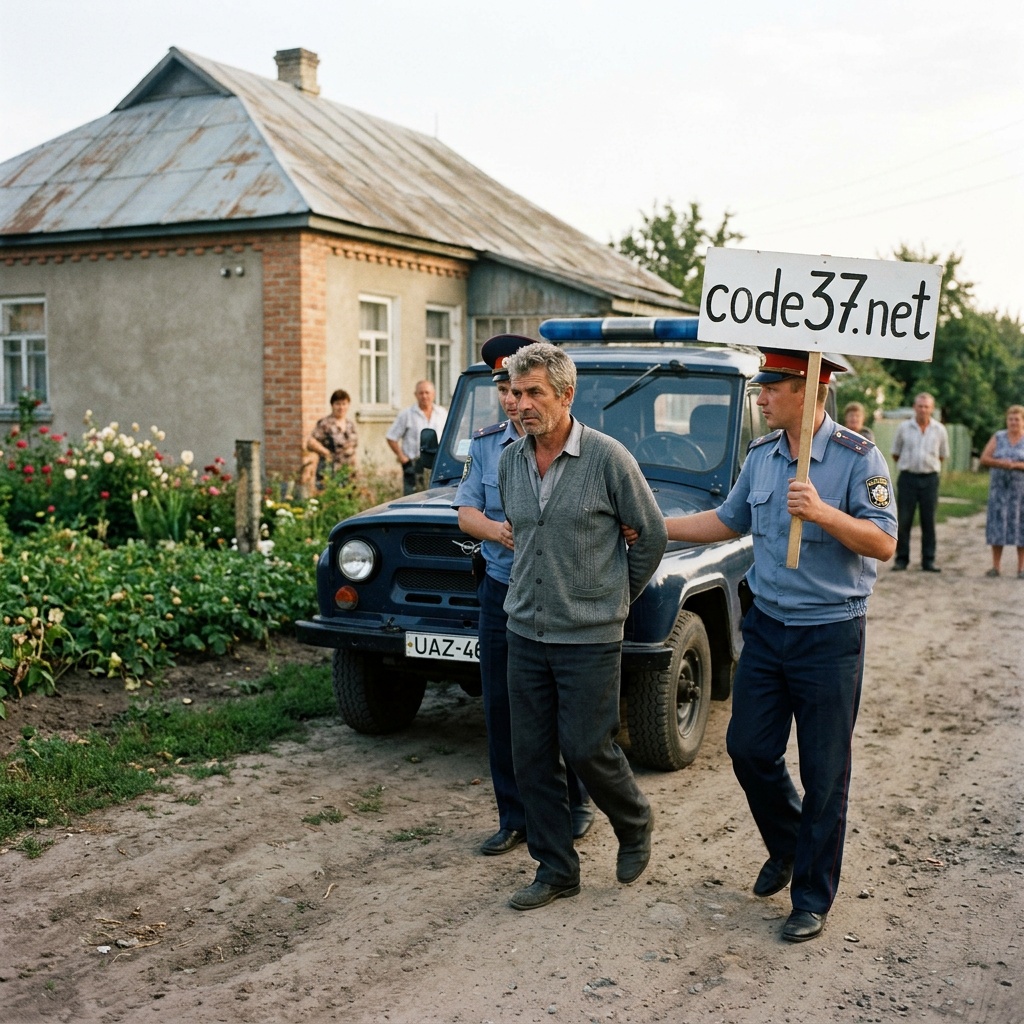
There are serial murder cases so incomprehensible that only a madman could have committed them. The ever-friendly detective Serhij Tkach, who is considered one of the world’s worst mass murderers, was exactly that sort of man. Tkach was born on 12 September 1952 in the Russian town of Kiselevsk in Siberia. He was a good student who, after completing his military service in the Soviet Army, undertook police training. He then became a detective in the city of Kemerovo. Tkach was popular amongst his colleagues; he did excellent work and acquired specialist knowledge in the field of forensics. In his spare time, he enjoyed boxing and even became a featherweight champion. Everything was going perfectly until he was caught fabricating evidence. To avoid a prison sentence, he voluntarily resigned from the police force. Shortly afterwards, Tkach committed his first murder. After drinking heavily, he raped a former schoolmate with whom he had been in a sort of on-off relationship. Fearing punishment, he then killed her. In 1982, Tkach moved to the Ukrainian industrial city of Dnipropetrovsk, where he left a gruesome trail of bloodshed. Between 1980 and 1984, he killed 36 young women and girls, all aged between 8 and 18. Tkach always followed the same modus operandi, pressing down on his victims’ carotid arteries until they were dead. He then sexually assaulted the corpses, sometimes even before they died. Afterwards, he meticulously cleaned the crime scene, removing his semen and obliterating footprints and fingerprints. As souvenirs, he kept jewellery or cosmetics belonging to his victims. He wanted it to look like a robbery-murder. He dumped the bodies near motorways to give the impression that the perpetrator was a traveller or lorry driver. Sometimes he placed the body alongside recently tarmacked railway tracks so that police dogs would find it difficult to pick up the scent. He was a master of his craft thanks to his excellent training with the criminal investigation department. This enabled him to lead a double life undisturbed for over two decades. During his murder spree, which lasted more than 25 years, Tkach frequently changed jobs, places of residence and wives. In total, he was married three times and had five children: three daughters and two sons. He worked as a factory worker, on farms and in mines, until he returned to work as an investigator in the Dnipropetrovsk region. His killing spree only came to light after he abducted nine-year-old Katja – the daughter of a work colleague – in full view of children playing. When he attended Katja’s funeral, the other children recognised him as Katja’s abductor. Tkach was arrested at his home, where he greeted the officers with the words: ‘I’ve been waiting twenty years for you to come.’ During questioning, Tkach – who, by his own account, had been a mercenary in the war in Afghanistan – confessed to having killed more than 100 people. However, only 36 murders could be proven against him. As his motive, he claimed that he wanted to embarrass his incompetent colleagues. Then he said he hated women, only to simply insist that he had killed for fun. Tkach, who showed no remorse whatsoever for his victims, nevertheless demanded the death penalty for himself. As Ukraine had abolished the death penalty, he was sentenced to life imprisonment at the trial, which had been ongoing since 2007. On 4 November 2018, Tkach died of heart failure at the age of 66. Tragically, over 10 men were wrongly convicted of Tkach’s crimes. One of them even took his own life.