Isabella Mueller (crime writer)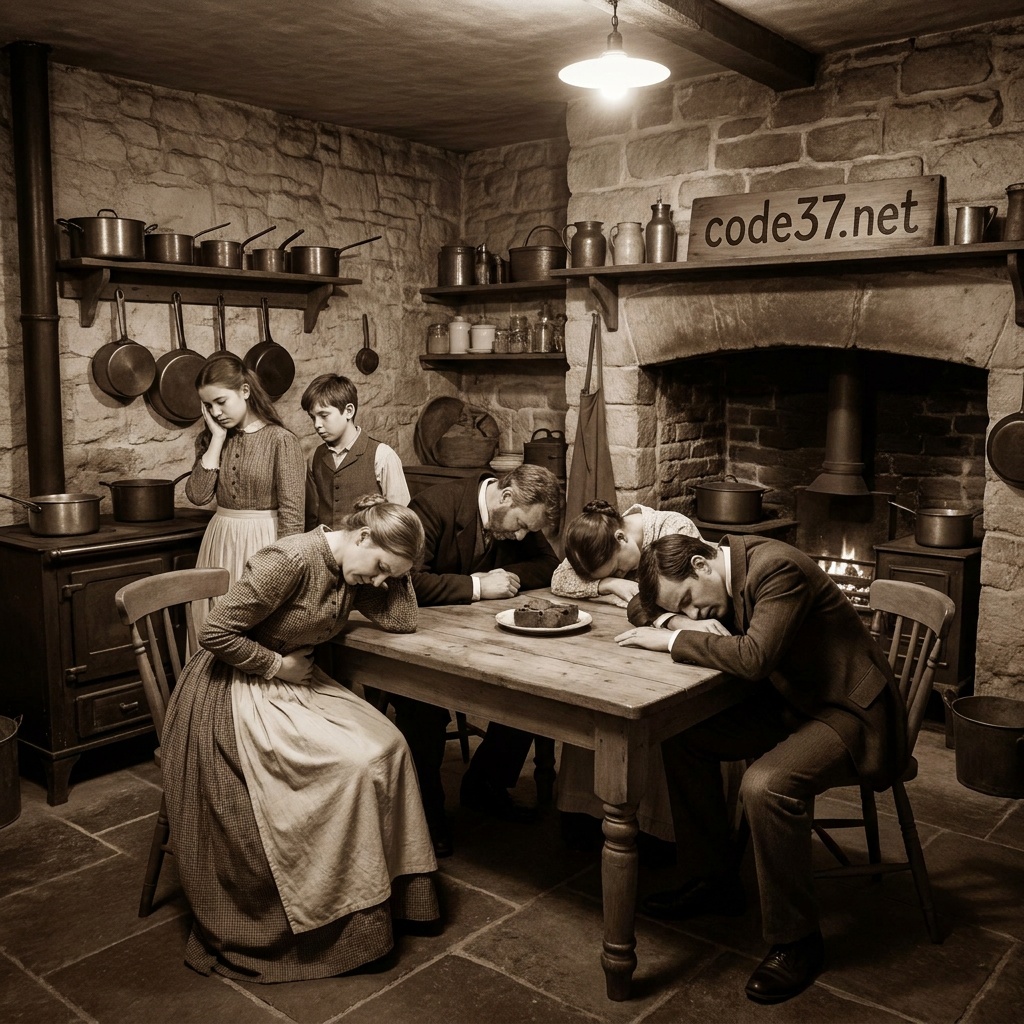
A truly gripping crime thriller centred on dumplings laced with arsenic took place in Britain after the end of the Napoleonic Wars. The petite Elizabeth Fenning, known as Eliza, had been working as a maid since she was 14. Eliza, now 21, had already been working for seven weeks as a cook for the stationer Orlibar Turner and his wife Charlotte. The household also included the maid Sarah Peer and the two apprentices Roger Gadsen and Thomas King. On 21 March 1815, Eliza stoked the fire as usual in the kitchen in the basement of Mr Turner’s house at 68 Chancery Lane in London, to prepare the meal for the family. On that day, Mr Turner’s father, Haldebart, was also expected to join his son and daughter-in-law for dinner. At 3.00 pm, the Turner family sat down together at the table to eat the meal prepared by Eliza. However, shortly afterwards, they began to suffer from severe stomach pains and were forced to vomit. Eliza and one of the apprentices, Roger Gadsen, also experienced the same symptoms as the Turner family. At 8.45 pm, Mr Turner sent for the family doctor, John Marshall, who suspected arsenic poisoning. All those who had fallen ill recovered quickly. But who had poisoned them, and why? Suspicion quickly fell on Eliza, as the arsenic used for pest control was kept in a drawer in the kitchen. The same drawer also contained the paper Eliza had used to light the fire. However, before Mr Turner reported his suspicions to the police, he carried out some investigations. He asked his family doctor to take a sample from the pot in which the dumplings had been cooked. In it, the doctor found half a teaspoon of white powder that looked like arsenic. Consequently, Eliza was arrested on 2 March on suspicion of attempted murder of the Turner family. One possible motive was that, some time earlier, Charlotte Turner had caught Eliza scantily clad in the apprentices’ room. She had threatened to dismiss her if it happened again. Was Eliza seeking revenge on the Turner family for this? Eliza maintained her innocence from the outset. Why, then, would she have poisoned herself with arsenic if she had wanted to kill the family? On 5 April 1815, Eliza appeared at the Old Bailey in London. Without a lawyer, she pleaded ‘not guilty’. However, all 12 jurors found her guilty. Upon the pronouncement of the verdict, Eliza fainted. On 26 June 1815, she was hanged in front of thousands of onlookers. Even on the scaffold, Eliza swore solemnly that she had not poisoned the Turner family. A large section of the public believed that Eliza was indeed innocent, which is why 10,000 people attended her funeral in the churchyard of St George the Martyr on 31 June 1815. Yet shortly after Eliza’s execution, the mob even attempted to set fire to the Turner family’s house, such was the fury over the verdict. Even the legendary writer Charles Dickens believed in Eliza Fennings’ innocence.