Isabella Mueller (crime writer)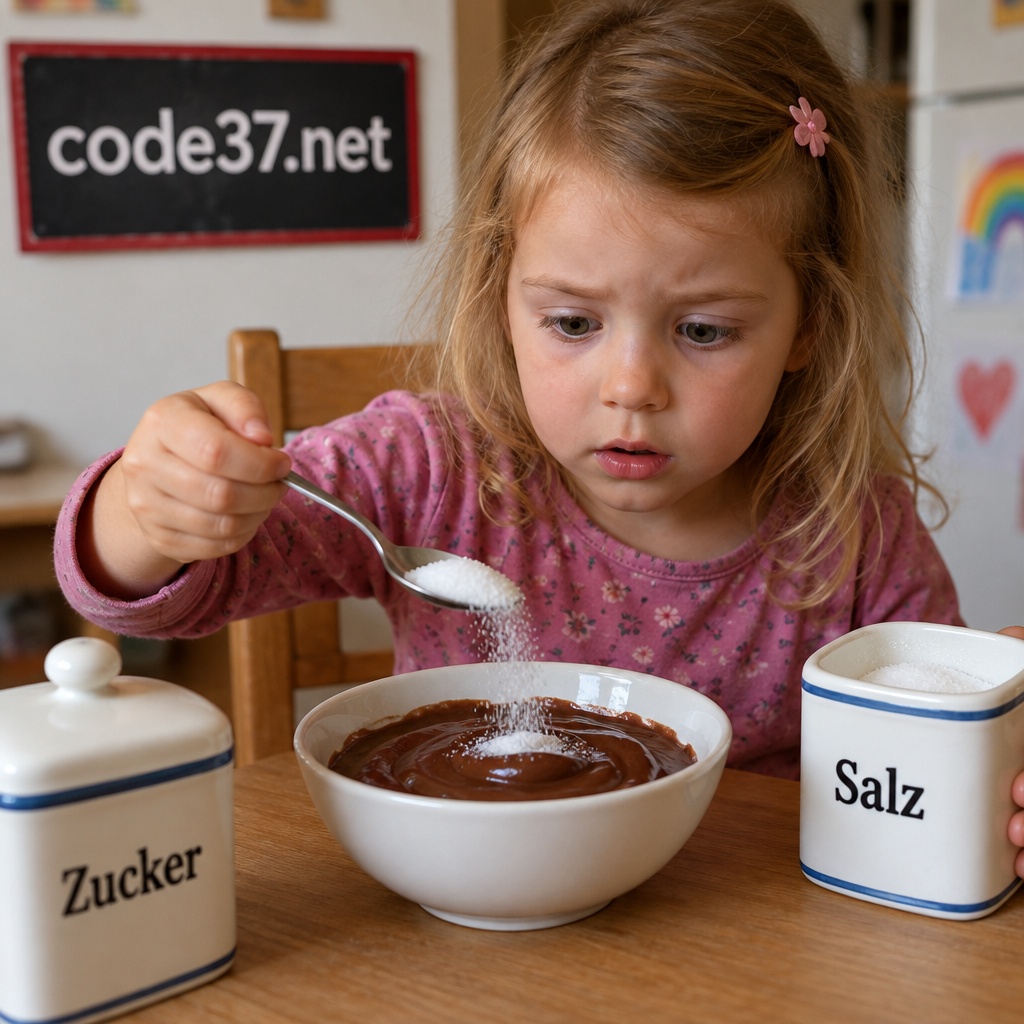
Pudding is a dessert that is particularly popular with children. This was also true of four-year-old Angelina from Frankenthal, who was especially fond of chocolate pudding, which she usually sweetened with two tablespoons of sugar. On 25 March 2004, Angelina had once again stirred sugar into her chocolate pudding. However, she mistook the sugar for salt, which proved to be a fatal mistake. As even 1 gram of table salt per kilogram of body weight can be fatal, but Angelina’s 23-year-old stepmother, Claudia S., was unaware of this, and so a tragic death resulted from disciplinary measures. The case caused a nationwide stir and left many people questioning parenting methods and the responsibility of parents. It all began on a seemingly ordinary day, when the little girl, Angelina, accidentally mixed salt into her chocolate pudding instead of sugar. A moment of inattention that had fatal consequences. When the stepmother, Claudia S., who had just been feeding her four-month-old son in the living room next door, discovered the salt on the kitchen floor, she reacted rashly. Instead of showing understanding, she forced Angelina to eat the oversalted pudding – as a kind of ‘punishment’ for the incident. The pudding contained around 30 grams of salt – a lethal dose for a small child weighing just 15 kilograms. The oversalted chocolate pudding must have tasted disgusting. It is therefore highly unlikely that Angelina would have eaten it voluntarily without psychological pressure. Shortly afterwards, Angelina complained of severe stomach cramps and diarrhoea. As her condition deteriorated rapidly, Claudia took her to hospital. There, she fell into a coma and, two days later, succumbed to the effects of sodium poisoning. It was a tragic turn of events that shook the entire family and the community. Claudia S. was convicted by Frankenthal Regional Court of ‘intentional bodily harm’ and received a 14-month suspended prison sentence. The prosecution had originally sought a significantly harsher sentence – three and a half years’ imprisonment for causing bodily harm resulting in death. However, the court handed down a lenient verdict: “The defendant was not the evil stepmother,” explained presiding judge Gerold Kraayvanger. He pointed out that Claudia had looked after Angelina and loved her. There was no motive for murder. The court had concluded that Angelina herself had fetched the custard and mistaken the salt for sugar. In the midst of the critical situation, whilst feeding her own young child, the stepmother had apparently not realised the danger to which she had exposed Angelina through her decision. The verdict provoked mixed reactions. Whilst Claudia’s defence lawyer was satisfied with the verdict, the prosecution announced that it would examine the possibility of an appeal. The atmosphere in the courtroom was tense after the verdict was delivered. Angelina’s biological mother, who had followed the trial as a joint plaintiff, rushed furiously towards the defendant and shouted: “You killed my child.” Only the swift intervention of relatives and court officers managed to calm the situation. Ultimately, the 4th Criminal Division of the Federal Court of Justice amended the conviction in the contested judgement – following an appeal by the public prosecutor’s office – to find the defendant guilty of ‘grievous bodily harm’. The 14-month suspended prison sentence was upheld. A notable aspect of the case is the psychological pressure to which Angelina was subjected. According to a forensic expert, there was no evidence of physical violence, suggesting that the child may have been forced to eat the pudding whilst under enormous stress. This raises serious questions about Claudia S.’s parenting methods. Is it really acceptable to discipline a child in such an extreme manner? Experts have repeatedly emphasised that positive parenting approaches and communication are crucial to ensuring a healthy upbringing. This tragedy could serve as a cautionary tale of how important it is to understand children’s needs and treat them with empathy. Angelina’s story is tragic and raises many questions – about what it means to be a parent and how important it is to raise children in a safe and loving environment. The court has reached its verdict, but the debate about responsibility, parenting and the limits of discipline will certainly continue. In an age where mental health and wellbeing are increasingly coming to the fore, this case should prompt us all to reflect on how we treat the youngest members of our society. It is to be hoped that such tragedies can be avoided in future – through better education, support services and a greater focus on children’s wellbeing.