Isabella Mueller (crime writer)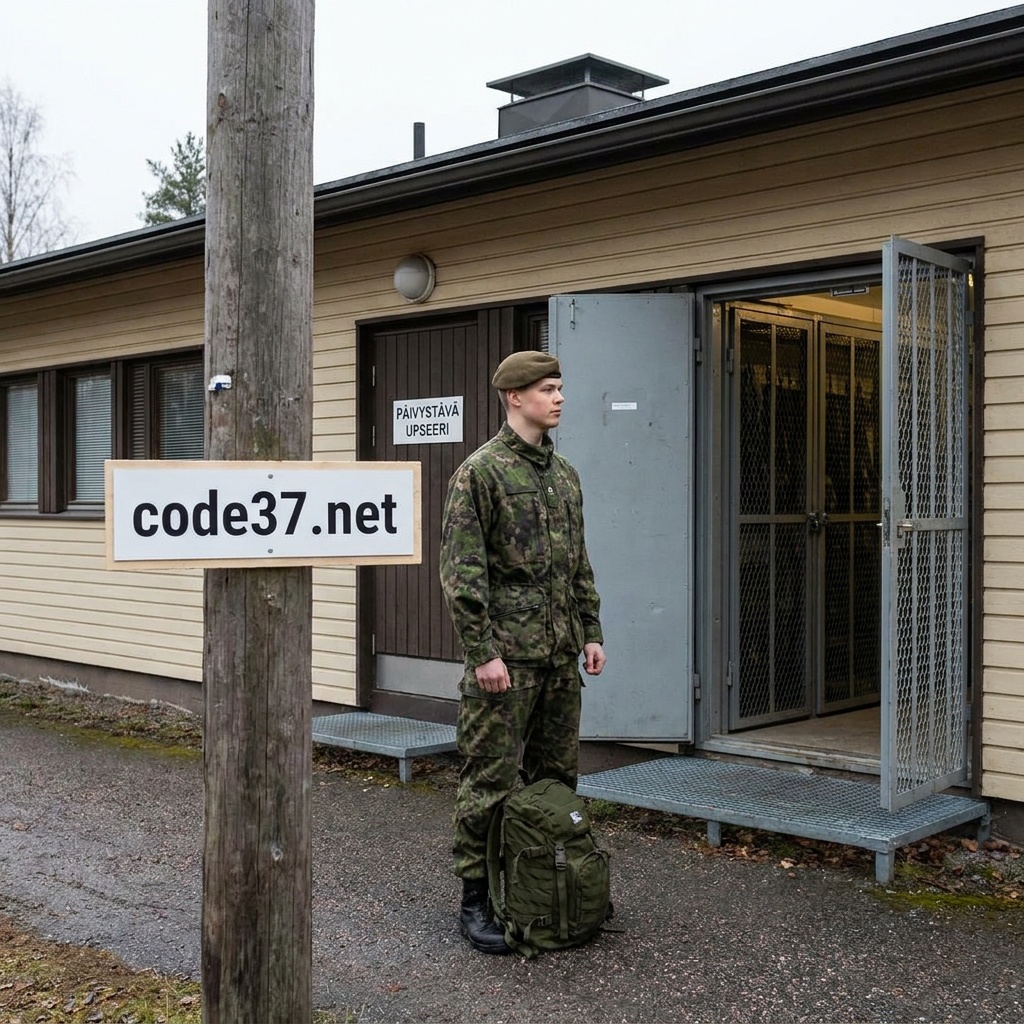
In the early 1990s, the 22-year-old Finnish conscript Mika Kalevi Muranen shocked the entire nation with his horrific crimes. On 18 April 1994, Muranen killed three people and injured numerous others after fleeing with an assault rifle he had stolen whilst on military service. Muranen grew up at a time when Finland was undergoing both social and economic changes. His childhood was marked by difficulties, and from a young age he attracted negative attention for criminal damage and making threats. In 1987, he underwent a psychological assessment which concluded that he was ‘completely devoid of understanding’. This finding raises questions as to whether Muranen was already showing signs of a mental disorder at that time, which may have influenced his later actions. On the day of his violent acts, Muranen returned from a weekend leave and was appointed officer on duty, which gave him access to his unit’s armoury. With the assault rifle in hand, he returned to his hometown of Kotka, where he retrieved a crossbow from his family’s house. Armed with the assault rifle and the crossbow, he took to the streets of Kotka. At the start of his attack, he first killed his two neighbours, with whom he had been in a dispute, using the crossbow. They were 53-year-old Reino Vulkko and his 54-year-old wife, Sirkka. These events marked the beginning of a nightmare for the local community and the police, who were confronted with an unpredictable perpetrator. The hours that followed were characterised by chaos and fear as Muranen continued his rampage. He fired indiscriminately at passers-by with the assault rifle and laid siege to a residential area, necessitating a massive police presence to bring the situation under control. Residents were in a state of panic whilst the police attempted to apprehend Muranen. The following day, Muranen killed the 45-year-old postman, Matti Olli. Muranen then fled into the nearby woodland with his dog. A chase straight out of a film ensued, punctuated by exchanges of gunfire. During the firefight, Muranen’s dog was killed; it could only be subdued after being shot in the shoulder. Following his arrest, Muranen’s trial took place in May 1994. He was charged not only with three murders, but also with eight attempted murders and other offences. Despite his history of mental health issues, the court found that Muranen was fully responsible for his actions. This reflects the complexity of the case: a combination of mental health issues and a conscious decision to use violence. On 6 October 1995, Muranen was sentenced to life imprisonment and sent to Mikkeli Prison. The public debate on the causes of violent crime resonated widely at that time. Questions regarding mental health and interventions were raised. Over the years, there were repeated reports about Muranen that highlighted his efforts towards rehabilitation. In 2006, whilst at Laukaa labour prison, he gave an interview to the Finnish crime magazine Alibi, in which he outlined his plans for the future and explained that he had applied for a pardon from the then President Tarja Halonen, but without success. Muranen was portrayed as someone who, despite his horrific crimes, was seeking a second chance. His application for parole was rejected in June 2008, and again in 2010. The reasons for the rejections remained secret, fuelling debate about the transparency of the justice system. Finally, after 17 years in prison, Muranen was released in 2013, having successfully completed training as a lumberjack whilst in prison. This decision caused controversy and divided public opinion, as many felt that the justice system and society were not prepared to give him a second chance. Yet Muranen was determined to come to terms with his actions and build a new life. Today, Mika Muranen is an example of how deep-rooted mental health issues and the search for acceptance can converge in an often unjust world. His case remains a dark chapter in Finland’s history, a stark reminder of everything that can go wrong when help arrives too late or is insufficiently provided. Mika Kalevi Muranen is more than just a name on a list of violent offenders. His life and his actions raise crucial questions about society, mental health and the possibilities of rehabilitation. How can we, as a society, ensure that such tragedies do not happen again? How can we offer people struggling in the darkness a path back into the light? These questions remain unanswered and require ongoing discussion and attention.