Isabella Mueller (crime writer)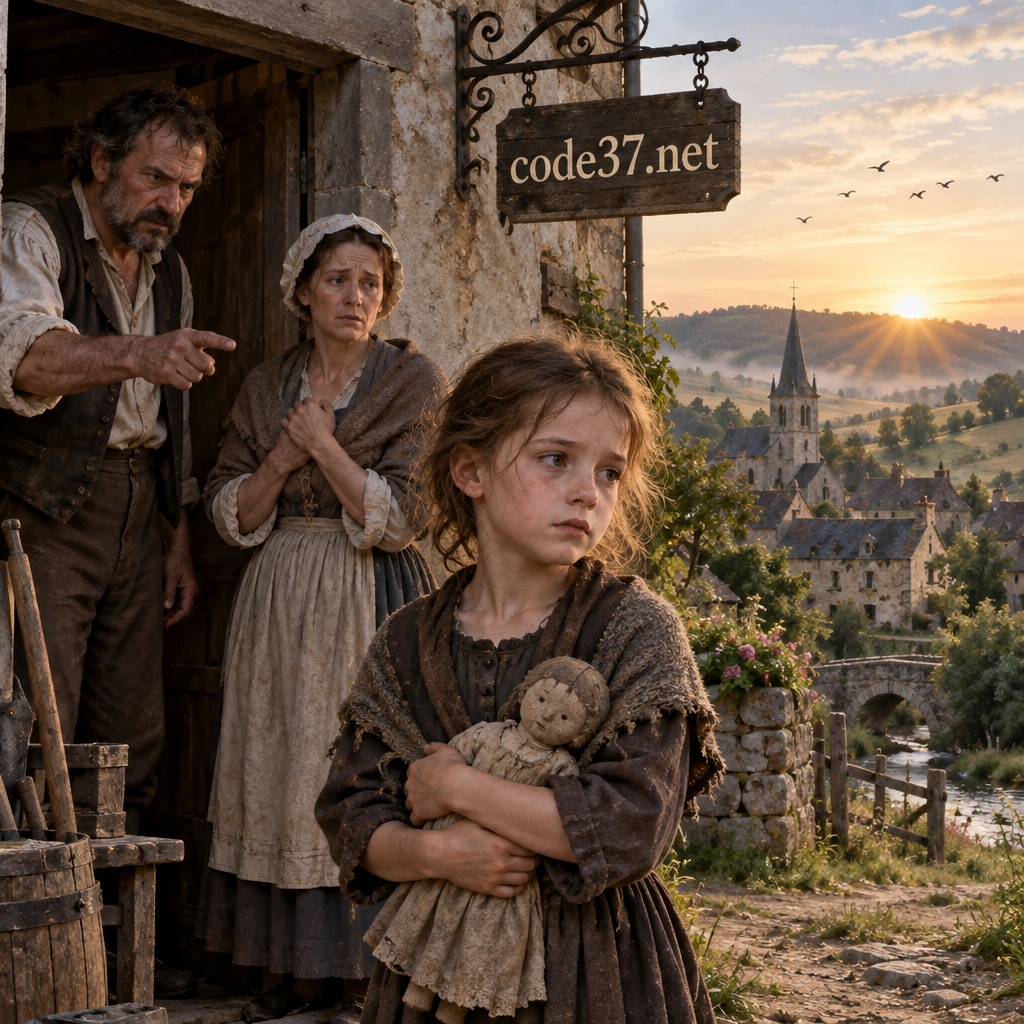
In the small, secluded village of Saint-Eyr-la-Rossière, where the sun rose over the rolling hills and the birds chirped merrily, lived a child who was a world away from these idyllic scenes. This child was the 10-year-old Honorine Pellois, the daughter of a poor couple whose home brought them more worries than joy. Her childhood was marked by neglect and an unbalanced upbringing. Her father was strong and cruel; her mother, lenient and blind to her daughter’s dark inclinations. From an early age, Honorine had developed a bizarre penchant for cruelty. She tormented not only the other children in the village, but also the animals, which she regarded as objects of power. In the eyes of the villagers, she began to dismantle what she loved, thereby causing fear and horror. Many villagers reported her deeds, yet no one dared to stand up to her. It was 16 June 1834 when disaster struck. Honorine, in a fit of irrational jealousy, threw Amelie Alexandre, who was just 2 years and 10 days old and as innocent as a spring flower, into the well. Two days later, she also pushed 2.5-year-old Virginia Hersant into the well. The mothers, full of hope, searched desperately for their missing children. Honorine, in her cold indifference, watched the grief and despair she herself had caused with terrible delight. When the girls’ bodies were finally discovered in the well, suspicion quickly fell on Honorine, as she had attempted, just a few days after the two girls’ disappearance, to throw the 11-year-old boy Gaucliard into the well, though she failed to do so. Honorine was arrested and charges were brought against the ‘little criminal’. Honorine appeared before the judges with a smile, unable to comprehend that her freedom was at stake. The public was both horrified and fascinated. How could a child be so evil? How could she confess, without a shred of remorse, to the horrors she had set in motion? It was no ordinary court case. The two mothers who had lost their daughters and were testifying before the judges were broken, like hollowed-out shells on the beach, whilst Honorine’s gaze took in everything, as if she were watching a play. Her naivety was eerie and unsettling. It stood in stark contrast to the heart-rending lamentations of the mothers mourning their dead children. During the trial, Honorine revealed with shocking candour that she had killed the little girls out of jealousy. A cry of horror filled the room as the mothers collapsed. Yet she remained unmoved; her gaze wandered from one face to another, seeking amusement in the misfortune of others. A witness, an elderly man, recounted how he had once caught her killing a sheep with a dog. Honorine laughed as he spoke, as though he were telling an amusing anecdote. It became clear that, in her heart, she had not only recognised evil but also embraced it. At the end of the trial, she was found guilty and sentenced to twenty years in prison. Honorine’s lips pressed together and her eyes flashed as the verdict was announced. She understood the gravity of her actions, but also the irony of her fate. A child had embodied evil in a way that terrified adults. And so Honorine Pellois became a legend in Saint-Eyr-la-Rossière. The shadows of the well would forever be linked to her name. Parents told the story to their children to warn them that not everyone who smiles is good. The image of a little girl who inspired both fear and fascination in the eyes of the villagers remained in people’s hearts and minds for all time. The story of Honorine, the little criminal, remains both fascinating and terrifying to this day.