Isabella Mueller (crime writer)
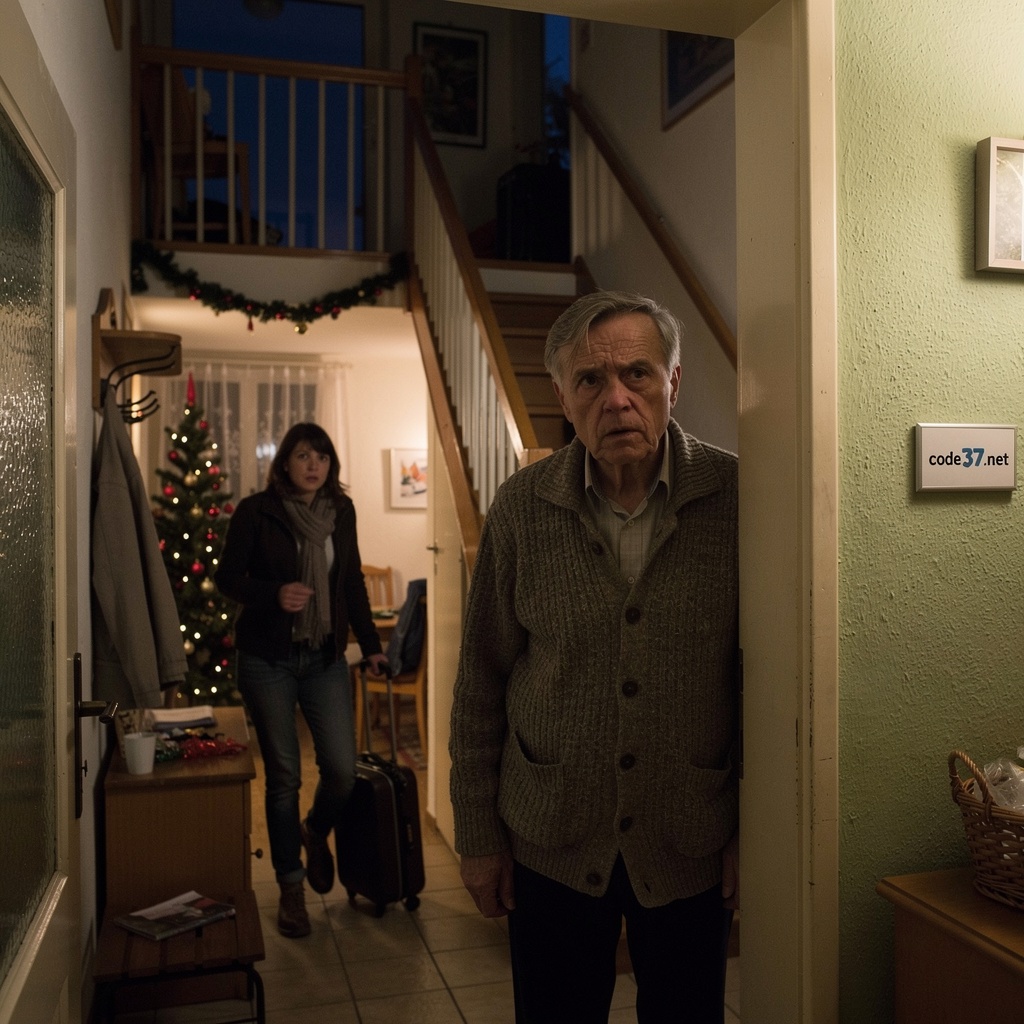
In the tranquil little town of Friedrichsdorf near Bad Homburg in the Taunus, people still vividly remember the harrowing events that turned Christmas 2005 into a nightmare. It was a crime that continues to make headlines to this day, not only because of its brutality but also because of the bizarre circumstances surrounding it. The story revolves around sex, hatred and an old heating system – and ended with the gruesome murder of 66-year-old pensioner Erhard G.. Erhard G., a retired tradesman, was living alone in his detached house when he entered into a fateful relationship. His lover, a 40-year-old woman, had previously worked as a prostitute. Despite her turbulent past, G. fell hopelessly in love with her. The relationship went so far that he considered leaving his entire estate to her son, who was only 11 years old. When the woman announced that she was separating from her husband, G. opened not only the doors of his house to her, but also his heart, by providing her with a flat on the first floor of his house. However, this arrangement led to an unforeseeable tragedy. On Christmas Eve, the situation came to a head when the woman decided she wanted to bring another acquaintance back to the flat. G., consumed by jealousy, unceremoniously threw her out of the house. This action sparked uncontrollable rage within her. In a blind fury, she drove to her then-husband and together they hatched a murderous plan to get G. out of the way. Five days later, they carried out their plan with single-minded determination. The woman secretly smuggled her husband into G.’s house, where he hid in the bedroom. She then called the pensioner over on the pretext of a heating problem. As he bent over the radiator, unsuspecting, her husband leapt from his hiding place and struck with terrifying force – the baseball bat struck G.’s head up to 20 times. But that was not all: to ensure their victim had no chance of survival, the pair stabbed G. repeatedly in the chest and neck with a kitchen knife. The scene that followed was not for the faint-hearted. The body was dragged down to the cellar, where the woman dismembered G.’s body using an axe and an electric reciprocating saw, before packing the remains into plastic bags. As her then-husband refused to help her dispose of the body, she called an acquaintance in desperation, asking him to lend a hand. The acquaintance acted with quick thinking and immediately alerted the police. Thanks to his swift action, the perpetrators were arrested shortly afterwards and brought to justice. The house where this inconceivable crime took place stood empty for many years, as no one was willing to buy it. Since the crime, it had been regarded as a ‘house of horrors’ in which no one wanted to live. After a long search and unsuccessful attempts to sell it, it was decided to demolish the building. Thus, the scene of the gruesome events disappeared, whilst the memories of them remain indelibly etched in the town’s collective memory. For, fortunately, such crimes occur very rarely in the idyllic Taunus region, which is why the case of Erhard G. is still a topic of conversation to this day. It serves as a warning of how love can turn into obsession and of the destructive forces that can lie hidden within human nature. The story illustrates just how dangerous interpersonal relationships can become when driven by uncontrolled passion and resentment. Friedrichsdorf will never forget Christmas 2005 – a dark shadow that inextricably links the town to one of the region’s most brutal murders.