Isabella Mueller (crime writer)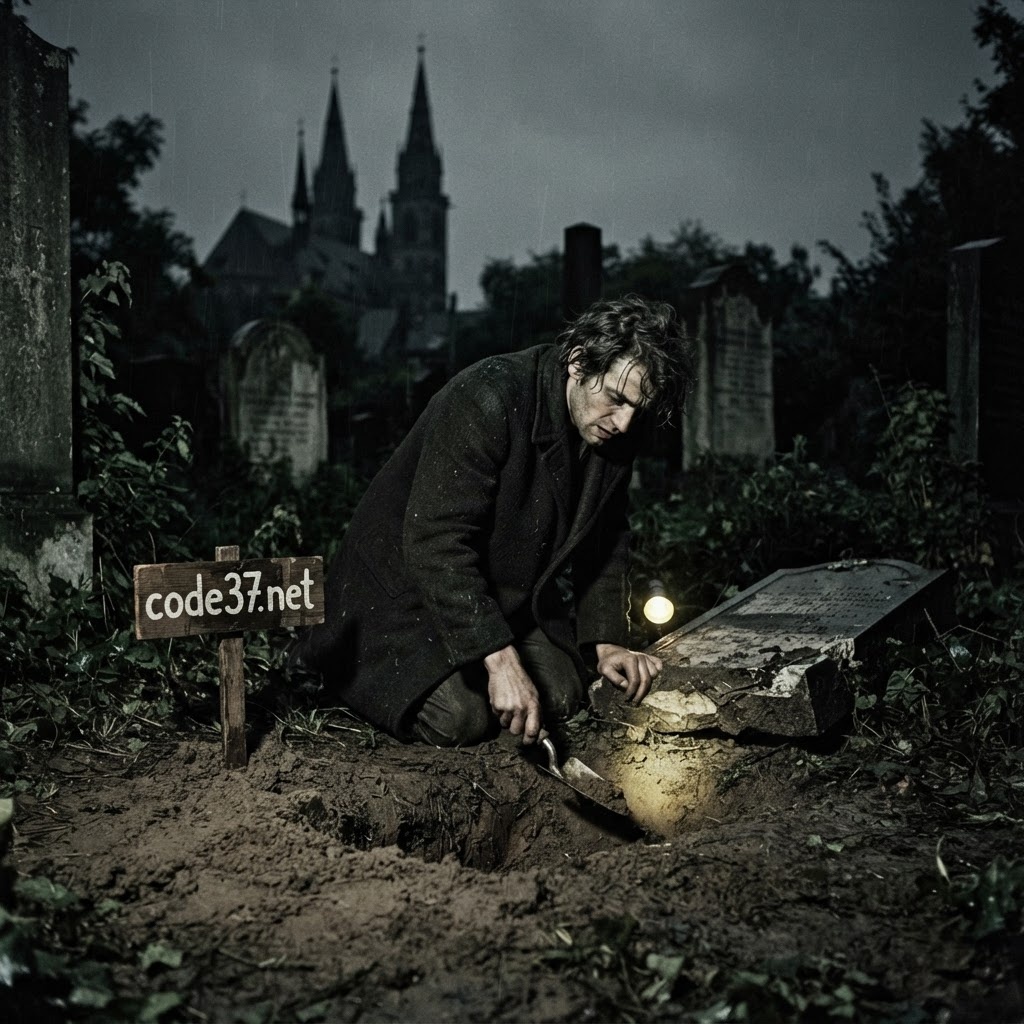
In the annals of German criminal history, there are names that still send shivers down the spine even today. One such name is Kuno Hofmann, better known as the ‘Vampire of Nuremberg’. His crimes, which caused a sensation in the early 1970s, represent a dark and shocking episode that has become deeply ingrained in people’s memories. But who was this man who made a name for himself not only as a serial killer but also as a desecrator of corpses? Kuno Hofmann was born in 1949 at a time when there was little understanding for people with disabilities. He was deaf and grew up in extremely difficult circumstances. His alcoholic father, a strict man with Nazi sympathies, regarded his son as a ‘life unworthy of life’. This abuse had a lasting impact on Kuno’s childhood and youth. Having grown up in care homes and residential communities, Kuno found no stability. His isolation fuelled his inner demons, and he developed a fascination with the occult. After years of abuse and neglect, Kuno Hofmann slipped ever deeper into a life of crime, ranging from petty theft to more serious offences such as extortion involving robbery. This string of offences was a consequence of his traumatic childhood. At the age of 17, he began his long journey through various prisons and psychiatric institutions. It seems as though he was trapped in a self-perpetuating cycle fuelled by structural inequalities and systemic failures. His path eventually led him into the darkness of Nuremberg’s cemeteries. Kuno believed that by drinking human blood he could regain his hearing. Driven by his religious convictions and a dark fetish, he began his nocturnal forays. His first acts were still inconspicuous, but soon the atrocities began. It is rumoured that he exhumed dozens of corpses to carry out his ritualistic acts upon them. To this end, he had had copies of the keys to Nuremberg’s Westfriedhof cemetery made especially for him. Not only did he engage in necrophilia with the female corpses, whose blood he drank, but he also severed the heads or cut out the hearts of some of the corpses using a razor blade and a knife, reflecting his penchant for necromancy. This expressed his obsession with black magic. These secret acts did not remain undiscovered for long. On the night of 6 May 1972, Kuno Hofmann was caught red-handed by a cemetery caretaker. The man confronted him, but Kuno reacted violently and shot the caretaker. Although the guard survived, seriously injured, the tragedy had already unfolded. Just one day later, Kuno killed 24-year-old Markus Adler and his 18-year-old fiancée, Ruth Lissy, in their car. After the murder, he drank the couple’s blood and desecrated the girl’s body. These gruesome acts shocked the entire region and led to a massive police operation. On 10 May 1972, Kuno Hofmann was finally apprehended. Upon his arrest, the police were horrified by the brutality and cold-bloodedness with which he had committed his crimes. During questioning, Kuno confessed to his crimes and explained that much of it stemmed from his traumatic life. Experts agreed that his deafness, combined with the abuse he suffered as a child, had played a decisive role in shaping the course of his life. It was a terrifying combination of mental illness and social exclusion that drove him to a life of crime. Kuno Hofmann’s trial took place the following year. The evidence against him was overwhelming, and the prosecution sought a life sentence. Throughout the trial, Kuno showed no remorse whatsoever for his actions. For many, he was more than just an ordinary murderer – he was a symbol of the evil that lurks in the darkest corners of humanity. In the end, Kuno Hofmann was sentenced to life imprisonment. The media reported extensively on the case, and people were particularly fascinated by the combination of brutality and the mystical aura surrounding Kuno. The darkness of his deeds exerted a morbid fascination that persists to this day. The media coverage of the crimes Hofmann committed portrayed him as a monster, a ‘vampire’ who feasted on the corpses of his victims. Yet rather than examining the reality of his life, he was perceived merely as a perpetrator who exerted a grotesque and eerie fascination on society. Kuno Hofmann was imprisoned, where, over the years, he repeatedly sparked public debate and speculation. True-crime enthusiasts and tabloid journalists found his story a rich source of material for numerous reports, documentaries and books. The abhorrent details of his life and his crimes continue to captivate people to this day. The question remains: what happens to a person whose childhood is marked by cruelty? Kuno Hofmann is perhaps the best example of the effects of trauma and social isolation. His actions may seem incomprehensible, yet they are the result of a life full of suffering and pain. Some researchers and psychologists have attempted to understand what was going on inside Kuno, but the answers are often unsatisfactory. In a world where a lack of empathy and understanding towards people with disabilities is still widespread, Kuno Hofmann remains a tragic example of how society often fails to protect those who are most vulnerable. The legend of the Vampire of Nuremberg lives on, and the city itself is haunted by the shadows of this dark history. A place once renowned for its beauty and culture now bears the weight of a terrible past. Kuno Hofmann may have physically vanished from the scene, but his ghosts will probably never entirely fade from people’s memories. Meanwhile, Kuno Hofmann is once again a free man, trying to lead a perfectly normal life.